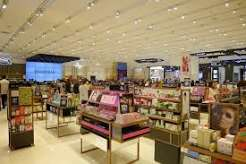

Vietnam is rapidly emerging as one of the most dynamic personal care markets in Southeast Asia. Driven by a young, digitally connected population and rising disposable income, Vietnamese consumers are spending more on daily skin health than ever before. This surging demand has transformed the local retail ecosystem, creating two dominant distribution channels for beauty brands: expanding modern pharmacy chains and high-end aesthetic clinics across major urban hubs like Ho Chi Minh City and Hanoi.
To succeed in Southeast Asia’s rapidly evolving trade landscape, beauty brands must align their product formulations and packaging with local climate realities and retail channel requirements. Through adaptable manufacturing models, CareLine partners with international stockists and regional pharmacy networks across Vietnam to deliver high-performing, climate-stable daily skincare that meets strict local health registration standards.
The Dual Retail Landscape in Vietnam
For international cosmetics brands and local importers, understanding the operational differences between Vietnam’s two primary retail channels is essential for long-term commercial success.
1. Modern Pharmacy and Health Chains
The rapid growth of modern pharmacy networks—such as Pharmacity, Guardian, and Long Chau—has fundamentally changed how Vietnamese consumers purchase daily skincare. These stores prioritize volume sales, high foot traffic, and accessible price points.
Products in this channel must address common regional concerns, such as oiliness, humidity-induced acne, and daily sun protection. To secure shelf space in Vietnamese pharmacy chains, manufacturers must support larger minimum order quantities, offer competitive wholesale margins, and provide shelf-ready packaging with localized Vietnamese ingredient labels.
2. Premium Aesthetic and Post-Procedure Clinics
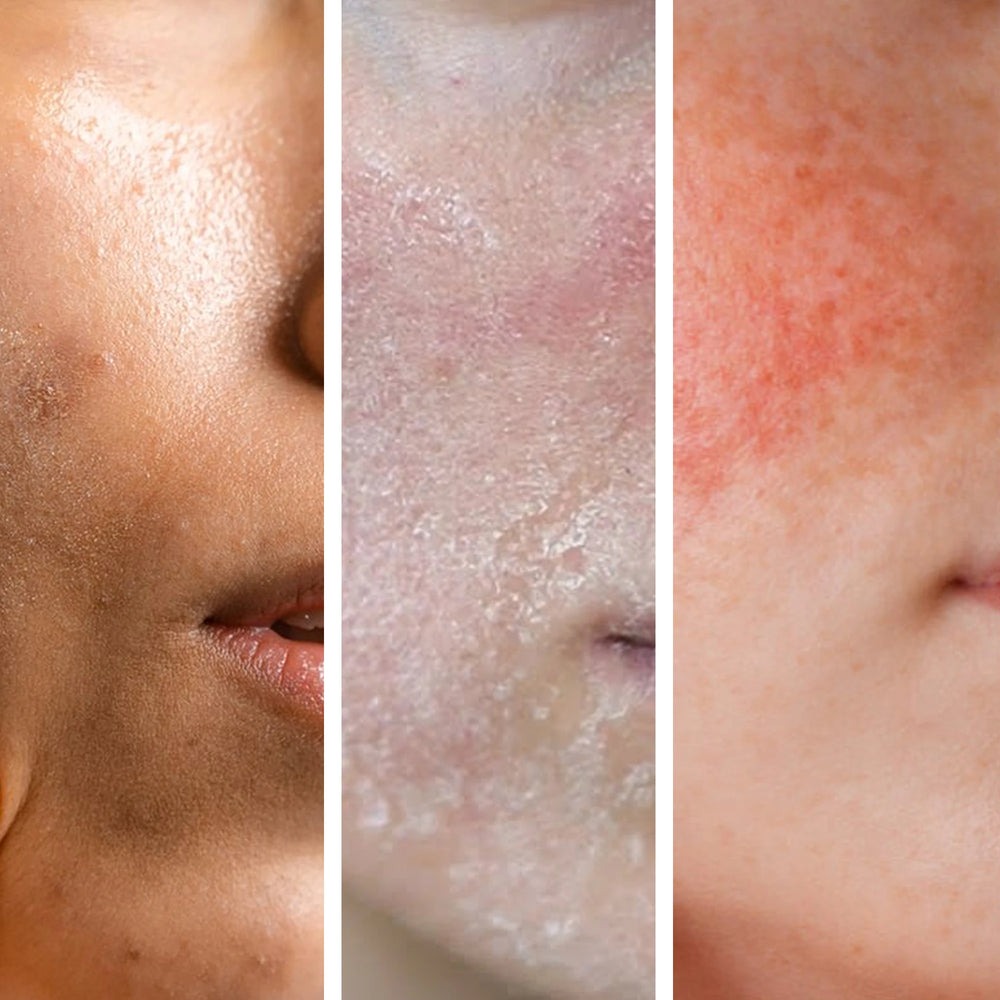
Parallel to mass pharmacy expansion is Vietnam’s thriving aesthetic clinic sector. In major metropolitan areas, consumers frequently visit professional clinics for laser treatments, chemical peels, and micro-needling procedures.
Aesthetic clinics require high-potency, barrier-repair skincare that soothes inflammation and accelerates post-procedure recovery. Products built for this channel demand higher active ingredient concentrations, sterile luxury packaging, and higher wholesale margins to compensate for lower sales volume per location.
Formulating for Vietnam’s Climate Realities
A major reason imported skincare products fail in Southeast Asia is a lack of climate adaptation. Vietnam’s tropical, high-humidity environment dictates specific formulation requirements that brands must respect:
- Lightweight, Non-Comedogenic Textures: Heavy, occlusive creams that perform well in cold Western winters feel greasy and uncomfortable in Vietnamese humidity. Formulations must utilize fast-absorbing emulsions that hydrate without clogging pores.
- Active Barrier Repair: Humidity paired with urban pollution strips the skin barrier, making gentle cleansers, soothing niacinamide serums, and lightweight shea butter lotions highly popular among local shoppers.
- Durable Packaging: High heat and humidity can compromise unstable formulations. Products distributed in Vietnam require airtight pump bottles, UV-resistant containers, and stable preservatives to ensure long shelf life.
Strategic Supply Chain Management for Vietnamese Distributors
Expanding into Vietnam requires careful financial planning around order volumes and regulatory compliance.
Managing MOQs and Margin Expectations
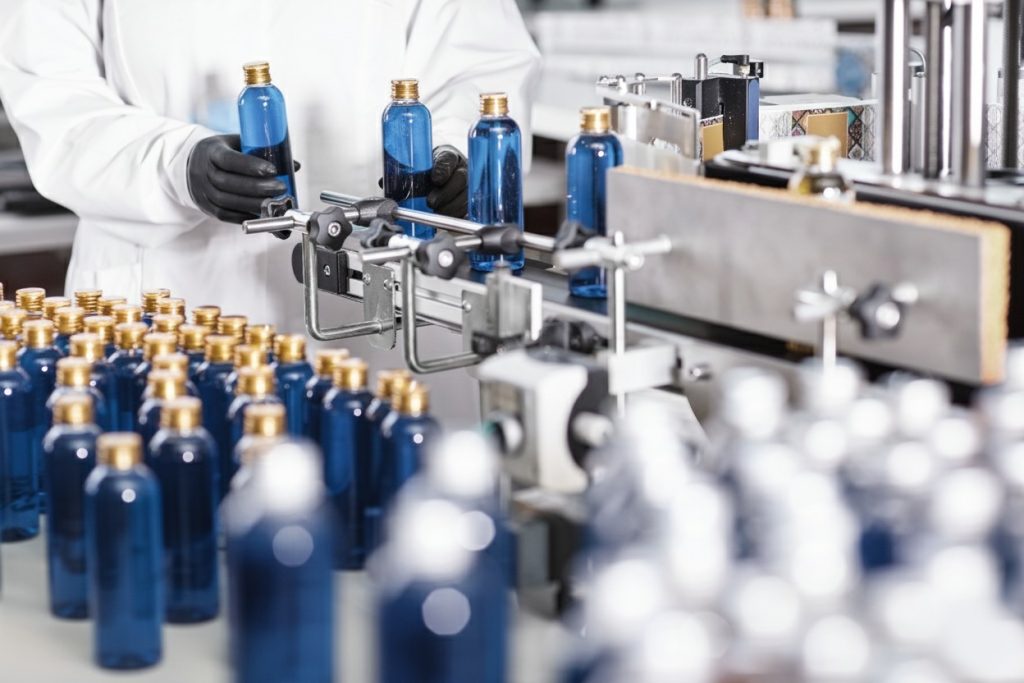
Mass retail chains in Vietnam typically require wholesale discounts between 35% and 45% off retail prices, alongside promotional allowances for in-store marketing. To maintain profitability at these wholesale rates, brand owners must partner with manufacturers capable of delivering large production runs at efficient unit costs. Conversely, boutique clinics require smaller, flexible order batches that preserve cash flow while testing market response.
Navigating Local Compliance
All cosmetics imported into Vietnam must obtain official notification numbers from the Drug Administration of Vietnam under the Ministry of Health. Packaging must feature clear local language sticker labels detailing origin, full ingredient decks, usage instructions, and safety disclaimers before goods can be placed on retail shelves.
Conclusion
Vietnam’s personal care market offers immense growth potential for beauty brands that approach distribution strategically. By tailoring product textures to tropical climate needs, maintaining regulatory compliance, and aligning supply chain operations with the distinct demands of pharmacy chains and aesthetic clinics, brand owners can establish a strong, profitable retail presence in one of Asia’s most exciting growth markets.
Frequently Asked Questions (FAQs)
What skincare products are currently most popular in Vietnam?
Sun protection, brightening serums, acne control treatments, and lightweight barrier-repair lotions are the highest-demand categories in Vietnam. Products that combine daily hydration with oil-control properties perform exceptionally well across both online and offline retail channels.
How long does cosmetic notification approval take in Vietnam?
Obtaining official cosmetic notification approval from the Drug Administration of Vietnam typically takes between four to eight weeks, provided all safety testing documentation, certificates of free sale, and manufacturing compliance certificates are properly submitted.
Why is climate adaptation critical when selling imported skincare in Southeast Asia?
Skincare formulas that work well in dry or temperate climates often feel overly heavy and sticky in tropical humidity, leading to negative consumer reviews and low repeat purchases. Adapting formulas to absorb quickly in humid weather ensures higher customer satisfaction and consistent re-orders.