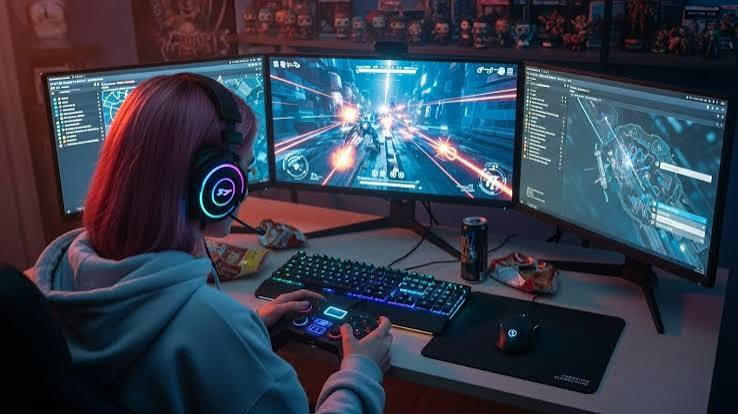

Online gaming has become a powerful part of modern digital culture, transforming how people experience entertainment, competition, and social interaction. What started as simple internet-based multiplayer experiences has now developed into a worldwide industry supported by advanced technology, creative developers, and millions of active players. As gaming audiences continue exploring new digital experiences, many also come across platforms such as Kilau4D while engaging with the expanding online entertainment space. With continuous improvements in connectivity, artificial intelligence, and immersive technology, online gaming is entering an exciting new era filled with possibilities.
The Rise of a Connected Gaming World
The growth of online gaming has completely changed the relationship between players and digital entertainment. In the past, gaming was often viewed as a solo activity, but modern online experiences have created global communities where people can interact, compete, and collaborate.
High-speed internet has made it possible for players from different countries to join the same virtual environments. Whether participating in competitive matches, exploring open worlds, or completing cooperative missions, gamers now have access to experiences that were impossible in earlier generations.
This connected gaming environment has helped transform games into social platforms where millions of people communicate and build relationships every day.
How Online Gaming Became a Global Industry
The gaming industry has grown from a small entertainment sector into one of the largest digital markets worldwide. Several factors have contributed to this expansion, including improved hardware, affordable internet access, digital marketplaces, and the increasing popularity of smartphones.
Developers now create games for a wide range of platforms, including computers, consoles, mobile devices, and cloud-based systems. This variety allows players with different preferences and budgets to participate in gaming.
The industry’s growth has also encouraged innovation in game design, storytelling, online communities, and competitive experiences.
The Role of Modern Game Development
Creating successful online games requires more than attractive graphics. Developers focus on creating engaging gameplay systems, balanced competition, and experiences that encourage long-term participation.
Modern games often include:
- Regular content updates
- Community events
- Competitive rankings
- Character customization
- Social features
- Cooperative challenges
These features help maintain player interest while creating stronger connections between developers and their audiences.
Many studios now listen closely to community feedback, using player suggestions to improve gameplay and introduce new features.
Multiplayer Gaming Creates New Forms of Social Interaction
One of the biggest achievements of online gaming is its ability to connect people across geographical boundaries.
Players can form teams, join communities, and communicate with others who share similar interests. Many friendships begin through online matches and continue through social platforms, voice channels, and gaming events.
Multiplayer games encourage important social skills such as communication, cooperation, and leadership. Successful teams often require players to coordinate strategies, support teammates, and make decisions together.
These interactions demonstrate that gaming is not only about competition but also about building meaningful connections.
The Growth of Competitive Gaming and Esports
Esports has become a major part of the online gaming industry, turning competitive gameplay into a professional field.
Professional players train extensively to master their chosen games, while esports organizations provide structured support similar to traditional sports teams.
Major competitions now attract:
- Millions of online viewers
- International sponsorships
- Professional broadcasting teams
- Large tournament audiences
- Dedicated fan communities
The esports industry continues expanding beyond players, creating career opportunities in coaching, analysis, production, journalism, marketing, and event management.
The Influence of Streaming Platforms
Streaming has changed how people discover and experience games. Instead of only playing games themselves, millions of viewers watch creators share gameplay, tutorials, reviews, and entertainment content.
Popular streamers often build strong communities around their personalities and gaming skills. Their influence can introduce new games to large audiences and help independent developers reach potential players.
Gaming content creation has also become a professional career path, with many creators earning income through sponsorships, subscriptions, advertising, and partnerships.
Artificial Intelligence and Smarter Gaming Experiences
Artificial intelligence is becoming increasingly important in the development of online games.
AI technology helps create more realistic characters, improve enemy behavior, and develop adaptive systems that respond to player actions.
Future games may use AI to create personalized experiences where missions, challenges, and storylines adjust based on individual player choices.
AI also assists developers by analyzing gameplay data, improving balance, detecting technical problems, and creating more efficient development processes.
Virtual Reality and Immersive Experiences
Virtual reality continues pushing gaming toward deeper levels of immersion.
VR technology allows players to enter digital environments and interact with virtual objects through natural movements. This creates experiences that feel more personal and engaging compared to traditional screen-based gaming.
Developers are exploring VR applications in multiple areas, including:
- Adventure games
- Fitness experiences
- Educational simulations
- Social environments
- Training programs
As hardware improves and becomes more affordable, virtual reality may become an increasingly important part of everyday gaming.
The Expansion of Cloud-Based Gaming
Cloud gaming is changing how players access digital entertainment by reducing dependence on expensive hardware.
Instead of downloading and processing games locally, cloud systems allow users to stream games directly from powerful servers.
This technology offers several benefits:
- Access to high-quality games on more devices
- Reduced equipment costs
- Faster updates
- Greater flexibility
As internet speeds continue improving, cloud gaming may help bring advanced gaming experiences to even larger audiences around the world.
The Importance of Gaming Security
With millions of people participating in online gaming, security has become a major priority.
Developers work to protect player accounts, prevent cheating, and maintain fair environments. Security systems help reduce fraud, unauthorized access, and harmful behavior.
Players can improve their own safety by using strong passwords, enabling additional account protection, and avoiding suspicious links or downloads.
A secure gaming environment creates a better experience for everyone involved.
Gaming as a Learning Experience
Although gaming is primarily a form of entertainment, many games encourage valuable skills.
Strategy-based games promote planning and critical thinking. Team-based experiences improve communication and collaboration. Creative games encourage imagination and problem-solving.
Players often develop persistence by practicing difficult challenges and learning from mistakes.
These skills demonstrate that gaming can provide benefits beyond simple enjoyment when approached responsibly.
The Future of Online Gaming
The next stage of online gaming will likely involve even greater levels of personalization, realism, and connectivity.
Artificial intelligence, faster networks, improved graphics technology, and immersive devices will continue shaping the industry.
Future games may feature:
- More realistic virtual worlds
- Smarter digital characters
- Personalized gameplay experiences
- Improved accessibility features
- Stronger global communities
The boundaries between gaming, social interaction, and digital communication will likely continue becoming less defined.
Conclusion
Online gaming has evolved into a global digital ecosystem that combines technology, entertainment, competition, and social connection. It has changed the way people play, communicate, and experience interactive content.
With continuous innovation and expanding communities, online gaming will remain one of the most influential industries in the digital world. As new technologies emerge, players can look forward to more creative, immersive, and connected experiences in the years ahead.