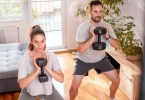


Working out at home is a simple and convenient way to stay fit without needing a gym membership or expensive equipment. Home workout routines are designed to help you build strength, improve flexibility, and boost overall health right in your own space. Whether you are a beginner, busy with work, or prefer privacy while exercising, home workouts can fit any schedule and fitness level. This guide will show you effective exercises, warm-ups, and tips to create a consistent workout routine at home that delivers results safely and efficiently.
Benefits of Home Workout Routines
Home workout routines are an excellent way to stay active, improve fitness, and maintain a healthy lifestyle without leaving your home. They are suitable for beginners, people with busy schedules, or anyone who prefers exercising in a private space. Here are the key benefits of following home workout routines:
1. Convenience
Home workouts allow you to exercise anytime that fits your schedule. There’s no need to travel to a gym, wait for equipment, or follow someone else’s class timetable. You can fit a workout into your morning, lunch break, or evening, making it easier to stay consistent.
2. Cost-Effective
You don’t need a gym membership or expensive machines to get fit. Many effective home exercises use only your bodyweight, a chair, or small items like water bottles or resistance bands. This makes fitness accessible to everyone, regardless of budget.
3. Privacy and Comfort
Exercising at home gives you a private space where you can focus on yourself without distractions or judgment. Beginners often feel more confident working out at home because there’s no pressure from others or crowded gyms.
4. Flexible and Customizable
Home workout routines can be adjusted to your fitness level. Beginners can start with low repetitions and simple exercises, while more experienced individuals can increase intensity or add equipment. You can also mix cardio, strength, and flexibility exercises based on your goals.
5. Health and Fitness Benefits
Regular home workouts improve overall health by strengthening muscles, increasing stamina, and enhancing cardiovascular health. They can also improve posture, balance, and flexibility. In addition, exercising releases endorphins, which help reduce stress, anxiety, and fatigue.
6. Saves Time
Even short home workouts, such as 20–30 minutes, are effective. You save time on commuting, waiting for equipment, or traveling to a gym. This makes it easier to fit exercise into a busy lifestyle.
7. Promotes Consistency
Home workouts remove common barriers like distance, cost, or crowded spaces, which often cause people to skip exercise. By having your workout routine at home, you’re more likely to stay consistent, which is key to long-term fitness results.
8. Encourages Creativity and Variety
Working out at home encourages creativity. You can try bodyweight exercises, yoga, pilates, HIIT, or even online workout videos. This variety keeps workouts interesting and prevents boredom, making it easier to stick to your routine.
9. Safe for Beginners
Home workout routines are generally low-impact and beginner-friendly. You can start slowly, focus on proper form, and gradually increase intensity without risking overtraining or injury.
10. Improves Mental Health
Regular home workouts boost mood, increase energy, and help you feel more focused. Being active at home gives a sense of accomplishment, which can improve confidence and overall well-being.
you may also like to read these posts;
Workout Equipment Reviews: Best Gear for Home & Gym
Home Fitness Gear Reviews: Best Tools for Your Workouts
Best Fitness Products: Top Gear for Your Home Workouts
Gym Equipment Reviews: Top Picks for Home Workouts
Fitness Tool Reviews: Top Gear for Home and Gym Workouts
Things to Know Before Starting a Home Workout
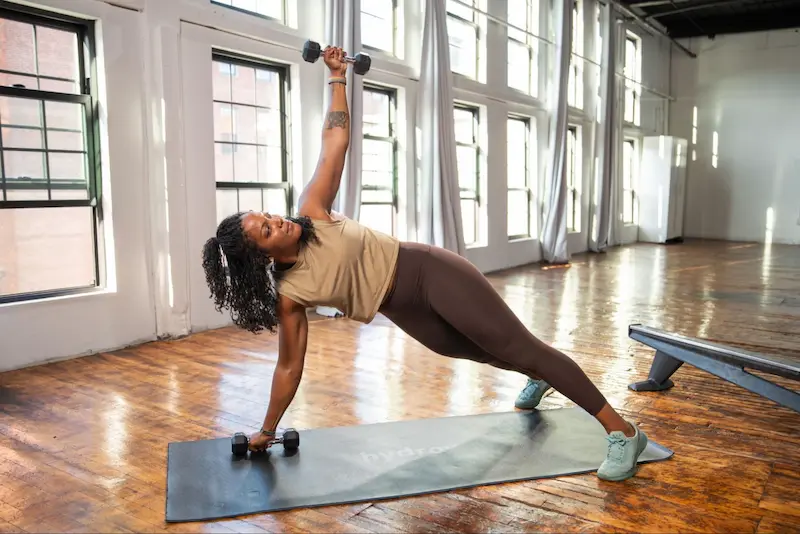
Starting a home workout routine can be exciting, but beginners often make mistakes that slow progress or cause injury. Knowing how to prepare your body, mind, and space can make your workouts safer and more effective. Here’s everything you need to know before starting a home workout routine:
1. Assess Your Fitness Level
Not everyone starts at the same level of fitness. Some may be completely new to exercise, while others might have some experience. Take a few minutes to evaluate your current strength, endurance, and flexibility. Beginners should start with low-impact exercises and fewer repetitions, while more active individuals can include slightly challenging movements. Understanding your fitness level prevents overtraining and helps you set realistic expectations.
2. Choose a Safe and Comfortable Space
A clear, dedicated space is essential for home workouts. Make sure the area is free of furniture, cords, or objects you might trip over. A stable floor is important, especially for exercises like lunges, squats, or jumping movements. Having a dedicated space helps you focus, creates a routine, and makes exercising more enjoyable.
3. Wear the Right Clothes and Shoes
Comfortable, breathable clothing allows for better movement and reduces discomfort during exercise. Supportive shoes are important for standing exercises or cardio routines, as they help protect your feet, knees, and joints from impact. Avoid clothes that are too tight or restrictive.
4. Warm-Up Is Essential
Warming up before any workout is crucial to prevent injuries and prepare your muscles and joints. Even a simple 5–10 minute warm-up, including movements like arm circles, neck rolls, marching in place, or light stretching, increases blood flow, improves flexibility, and reduces the risk of strains or sprains. Never skip this step, even for short home workouts. Home Workout Routines
5. Focus on Proper Form and Technique
Proper form is more important than speed or the number of repetitions. Performing exercises incorrectly can cause injuries or reduce their effectiveness. Beginners should start slowly, watch tutorials or guides if needed, and master each movement before increasing intensity. Using mirrors or recording yourself can also help monitor form. Home Workout Routines
6. Stay Hydrated
Water is critical for your performance and recovery. Drink before, during, and after your workout to maintain energy, prevent fatigue, and avoid dehydration. Even mild dehydration can make exercises feel harder and reduce concentration. Keep a water bottle nearby during your session. Home Workout Routines
7. Start Slowly and Progress Gradually
Beginners often make the mistake of doing too much too quickly. Start with a few simple exercises or short sessions and gradually increase intensity, repetitions, or duration. This approach allows your body to adapt safely, reduces soreness, and builds long-term strength and endurance. Home Workout Routines
8. Schedule Rest and Recovery Days
Rest is just as important as exercising. Muscles need time to recover, repair, and grow stronger. Overtraining can cause fatigue, soreness, or even injury. Beginners should include at least one or two rest days per week or alternate high-intensity workouts with light activities like walking or stretching. Home Workout Routines
9. Set Realistic and Achievable Goals
Setting small, realistic goals helps keep motivation high. Instead of expecting dramatic changes in a few days, aim for achievable milestones such as completing three workouts a week or doing 20–30 minutes per session. Achieving small goals builds confidence and encourages consistency over time. Home Workout Routines
10. Listen to Your Body
Pay attention to how your body feels during and after workouts. Mild soreness is normal, especially when starting, but sharp pain, dizziness, or extreme fatigue is a warning sign. Stop immediately if something doesn’t feel right. Working out safely ensures long-term progress and prevents setbacks. Home Workout Routines
11. Have a Backup Plan
Sometimes, your workout space or schedule may not be ideal. Having a backup plan, such as short bodyweight exercises, stretching, or a quick cardio routine, ensures you stay consistent even on busy or unexpected days. Home Workout Routines
12. Track Your Progress
Keeping a simple log of your exercises, repetitions, and duration helps you see improvement over time. Tracking progress not only motivates you but also helps identify what works best for your body. Home Workout Routines
13. Mind Your Posture
Good posture is essential during every movement. Even home workouts can cause strain if you hunch your back, lock your knees, or twist incorrectly. Focus on core engagement, straight back, and proper alignment in every exercise.
14. Mental Preparation Matters
A positive mindset improves performance and consistency. Treat your home workout as a priority, schedule it like an appointment, and approach each session with focus and determination. Creating a habit is easier when your mind is ready. Home Workout Routines
15. Be Patient and Consistent
Fitness results take time. Do not expect overnight changes. Consistency, patience, and gradual progression are the keys to long-term success. Small, regular efforts at home lead to stronger, healthier, and fitter bodies over time. Home Workout Routines
Warm-Up Exercises for Home Workouts

A proper warm-up is essential before any home workout. It prepares your muscles, joints, and heart for exercise, increases blood flow, and reduces the risk of injury. Beginners should spend 5–10 minutes warming up before starting their main workout.Home Workout Routines
1. Neck Rotations
Neck rotations help release tension in the neck and shoulders and improve mobility. Slowly rotate your head in a full circle 5 times clockwise, then 5 times counterclockwise. Move gently and avoid jerky movements. Home Workout Routines
2. Shoulder Rolls
Shoulder rolls loosen the shoulders and upper back. Roll your shoulders forward 10 times, then backward 10 times. Keep your movements slow and controlled.
3. Arm Circles
Arm circles warm up the arms and shoulders. Stretch your arms out to the sides and make small circles for 10 seconds, then gradually make larger circles. Repeat in the opposite direction. Home Workout Routines
4. Marching in Place
Marching in place raises your heart rate and warms up the lower body. Stand tall and lift one knee at a time as if walking in place. Swing your arms naturally while marching. Continue for 1–2 minutes.
5. Low-Impact Jumping Jacks
Jumping jacks get your heart pumping without putting too much stress on the joints. Step one foot out at a time while raising your arms overhead. Continue for 30–60 seconds at a comfortable pace.
6. Hip Circles
Hip circles loosen the hip joints and lower back. Place your hands on your hips and rotate your hips in a circle. Perform 10 circles clockwise and 10 circles counterclockwise.
7. Leg Swings
Leg swings improve flexibility in the legs and hips. Hold onto a wall or chair for balance. Swing one leg forward and backward 10 times, then switch to the other leg.
8. Ankle Rotations
Ankle rotations strengthen the ankles and improve mobility. Lift one foot and rotate your ankle 10 times clockwise, then 10 times counterclockwise. Repeat with the other foot.
9. Gentle Torso Twists
Torso twists warm up your core and spine. Stand with feet shoulder-width apart, place your hands on your hips or extend them in front of you, and gently twist your upper body left and right 10 times.
Tips for an Effective Warm-Up
Move slowly and focus on control rather than speed. Breathe naturally throughout all exercises. Stop immediately if you feel pain or discomfort. Even a short warm-up is better than skipping it, as it prepares your body for a safer and more effective workout.
How long should a home workout be?
Home workouts for beginners can last between 20 and 40 minutes depending on your fitness level and routine. Start with shorter sessions and gradually increase time as your strength and stamina improve.
How many days per week should I exercise at home?
Beginners should aim for 3 to 5 days per week. Make sure to include rest or light activity days for recovery to avoid overtraining and fatigue.
Do I need equipment to start a home workout routine?
No equipment is necessary. Many effective exercises use only your bodyweight, such as squats, lunges, push-ups, planks, and jumping jacks. You can add light weights, resistance bands, or household items like water bottles to increase intensity.
Conclusion
Home workout routines are a convenient, effective, and flexible way to stay fit without leaving your house. They allow you to improve strength, endurance, flexibility, and overall health while fitting easily into your schedule. By starting slowly, warming up properly, focusing on correct form, and staying consistent, beginners can safely build a long-term fitness habit. Remember to listen to your body, include rest days, and gradually increase intensity as you progress. With patience, consistency, and dedication, home workouts can help you achieve your fitness goals and maintain a healthier, stronger lifestyle.