

A balanced diet guide helps you understand how to eat the right foods in the right amounts for good health. It focuses on including a variety of nutrients that the body needs every day to stay active, strong, and healthy. Eating a balanced diet is not about strict rules or giving up your favorite foods, but about making smarter and healthier choices
Following a balanced diet supports overall well-being by improving energy levels, strengthening the immune system, and maintaining a healthy weight. When you provide your body with proper nutrition, it works better, feels stronger, and stays protected from many health problems. A balanced diet guide is especially helpful for beginners who want a simple and practical way to start healthy eating habits
What Is a Balanced Diet
Simple Definition
A balanced diet is a healthy way of eating that gives your body all the nutrients it needs to work properly. It includes a mix of carbohydrates, proteins, healthy fats, vitamins, minerals, fiber, and water in the right amounts. Each nutrient has an important role in keeping the body active, strong, and healthy
Includes All Food Groups
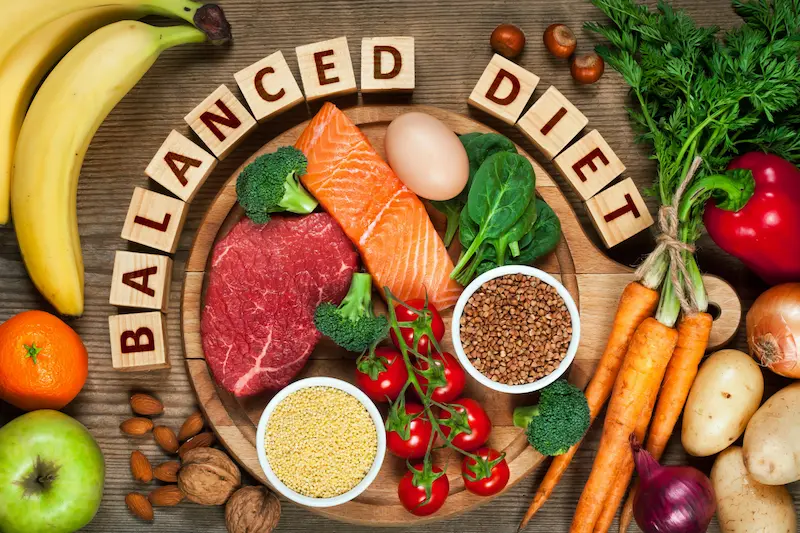
A balanced diet means eating foods from different food groups every day. Fruits and vegetables provide vitamins and minerals, whole grains give energy, proteins help build and repair the body, and healthy fats support brain and heart health. Eating a variety of foods helps prevent nutrient deficiencies and keeps meals interesting
Supports Daily Body Functions
When you follow a balanced diet, your body gets the fuel it needs for daily activities. It supports digestion, boosts immunity, improves energy levels, and helps maintain a healthy weight. Proper nutrition also supports mental focus and overall well-being
Focuses on Balance, Not Restriction
A balanced diet is not about avoiding foods completely or following strict rules. It focuses on moderation and smart choices. You can enjoy your favorite foods while still eating healthy by controlling portion sizes and balancing meals
Ideal for Long-Term Health
Following a balanced diet guide helps build healthy eating habits that last a lifetime. It makes healthy living simple, practical, and achievable for people of all ages
Why a Balanced Diet Is Important
Provides Complete Nutrition
A balanced diet ensures the body receives all essential nutrients in the correct proportions. Each nutrient plays a unique role in keeping the body healthy, from supplying energy to repairing tissues and supporting organ function. Without balanced nutrition, the body may feel weak, tired, or prone to illness
Maintains Steady Energy Levels
Eating a variety of healthy foods helps keep blood sugar levels stable. This prevents sudden tiredness, weakness, and lack of focus during the day. A balanced diet provides long-lasting energy that supports work, exercise, and daily activities
Supports Healthy Growth and Development
For children, teenagers, and young adults, a balanced diet is vital for proper growth and development. It helps build strong bones, healthy muscles, and a well-functioning nervous system. For adults, it supports maintenance and repair of body tissues
Helps Manage Body Weight
A balanced diet promotes portion control and reduces the chances of overeating. Eating nutrient-dense foods helps you feel full for longer, which prevents unhealthy snacking and supports natural weight management
Strengthens Immunity
Balanced meals rich in vitamins, minerals, and antioxidants improve immune function. This helps the body fight infections, recover faster from illness, and stay protected against common health problems
Improves Digestive Health
Including fiber-rich foods such as fruits, vegetables, whole grains, and legumes supports healthy digestion. Good digestion allows better absorption of nutrients and prevents digestive issues like bloating and constipation
Supports Brain Function and Mental Health
Proper nutrition supports brain health by improving memory, focus, and concentration. A balanced diet also helps regulate mood and reduce stress, anxiety, and irritability
Lowers Risk of Chronic Diseases
Regularly following a balanced diet reduces the risk of heart disease, diabetes, high blood pressure, and obesity. Healthy eating habits support long-term wellness and a better quality of life
Encourages Healthy Lifestyle Habits
A balanced diet guide helps build lifelong healthy eating habits. It encourages mindful eating, smart food choices, and consistency, making healthy living easier and more sustainable
you may also like to read these posts;
Workout Equipment Reviews: Best Gear for Home & Gym
Home Fitness Gear Reviews: Best Tools for Your Workouts
Best Fitness Products: Top Gear for Your Home Workouts
Gym Equipment Reviews: Top Picks for Home Workouts
Fitness Tool Reviews: Top Gear for Home and Gym Workouts
Key Components of a Balanced Diet
Carbohydrates
Carbohydrates provide the body with energy needed for daily activities, physical movement, and brain function. Healthy carbohydrates come from whole grains, fruits, vegetables, and legumes, which release energy slowly and keep you active for longer. Avoiding refined carbohydrates like sugary snacks and white bread helps prevent energy crashes and unhealthy weight gain
Proteins
Proteins are the building blocks of the body and are essential for muscle growth, tissue repair, and immune support. Including protein in every meal helps maintain strength and keeps you feeling full. Good sources include lean meats, fish, eggs, dairy, beans, lentils, soy products, and nuts
Healthy Fats
Healthy fats play an important role in brain health, heart function, and hormone production. They also help the body absorb vitamins A, D, E, and K. Sources of healthy fats include olive oil, avocados, nuts, seeds, and fatty fish like salmon. Eating fats in moderation supports overall health without adding excess calories
Vitamins
Vitamins help protect the body from illness, support metabolism, and maintain healthy skin and eyes. Fruits and vegetables of different colors provide a wide range of vitamins. Eating a variety of fresh produce daily ensures the body gets essential nutrients naturally
Minerals
Minerals such as calcium, iron, potassium, and magnesium support strong bones, proper muscle function, and healthy blood circulation. Dairy products, leafy greens, whole grains, nuts, seeds, and legumes are rich sources of essential minerals Balanced Diet Guide
Fiber
Fiber improves digestion, supports gut health, and helps regulate blood sugar levels. It also keeps you feeling full, which helps control hunger and prevent overeating. Fiber-rich foods include whole grains, fruits, vegetables, beans, and seeds Balanced Diet Guide
Water
Water is vital for hydration, digestion, and nutrient absorption. It helps regulate body temperature and keeps organs functioning properly. Drinking enough water throughout the day supports energy levels and overall well-being Balanced Diet Guide
Tips to Maintain a Balanced Diet Daily

Eat a Variety of Foods
Eating a wide range of foods ensures your body receives all the essential nutrients it needs. Include fruits, vegetables, whole grains, lean proteins, and healthy fats in every meal. Eating different colors of fruits and vegetables provides a variety of vitamins and minerals that support overall health and immunity Balanced Diet Guide
Control Portion Sizes
Maintaining proper portion sizes helps prevent overeating and supports healthy weight management. Use smaller plates, measure servings, and listen to your body’s hunger and fullness signals. Eating slowly and avoiding distractions like TV or phones also helps control portions naturally Balanced Diet Guide
Choose Whole and Fresh Foods
Whole, fresh foods are more nutritious and provide fiber, vitamins, and minerals. Focus on fresh fruits and vegetables, whole grains, lean meats, and minimally processed foods. Limiting packaged and fast foods reduces unnecessary sugar, salt, and unhealthy fats, keeping your diet cleaner and healthier Balanced Diet Guide
Stay Hydrated
Water is essential for digestion, nutrient absorption, circulation, and energy. Drinking enough water helps prevent fatigue, supports brain function, and improves skin health. Try to drink water regularly throughout the day, and include herbal teas or water-rich foods like fruits and vegetables Balanced Diet Guide
Eat Regular Meals
Skipping meals can lead to low energy, poor concentration, and unhealthy cravings. Eating regular meals and healthy snacks maintains blood sugar levels, improves metabolism, and supports steady energy throughout the day. Breakfast, lunch, dinner, and a small snack if needed can help maintain balance Balanced Diet Guide
Limit Sugar and Salt Intake
Too much sugar can lead to weight gain, blood sugar spikes, and other health issues. Excess salt may increase blood pressure and risk of heart disease. Read food labels, choose natural alternatives like fruits for sweetness, and use herbs and spices instead of salt to flavor meals Balanced Diet Guide
Practice Mindful Eating
Mindful eating encourages paying full attention to your meals. Eat slowly, savor each bite, and notice hunger and fullness cues. This helps improve digestion, prevents overeating, and enhances enjoyment of food Balanced Diet Guide
Plan Your Meals Ahead
Meal planning makes it easier to eat a balanced diet consistently. Preparing meals in advance reduces the temptation to eat unhealthy foods and ensures you always have nutritious options available. Simple steps like prepping vegetables or cooking grains in advance save time and promote healthy choices Balanced Diet Guide
Include Healthy Snacks
Snacks can be part of a balanced diet if chosen wisely. Opt for fruits, nuts, yogurt, or whole-grain crackers instead of sugary or fried snacks. Healthy snacks keep energy levels steady between meals and prevent overeating during main meals Balanced Diet Guide
Balance Indulgence with Nutrition
A balanced diet doesn’t mean avoiding all treats. Occasional indulgence is fine as long as most meals focus on nutritious foods. Moderation and balance help make healthy eating sustainable and enjoyable Balanced Diet Guide
What is a balanced diet?
A balanced diet includes a mix of carbohydrates, proteins, healthy fats, vitamins, minerals, fiber, and water in the right amounts to support overall health and energy
Why is a balanced diet important?
It improves energy, supports the immune system, aids digestion, maintains a healthy weight, and reduces the risk of chronic diseases
How can I start eating a balanced diet?
Begin with small changes like adding more fruits and vegetables, drinking water, choosing whole grains, and including protein in every meal
Conclusion
A balanced diet guide helps you make smarter food choices that support overall health, energy, and well-being. By including a variety of foods from all major groups—carbohydrates, proteins, healthy fats, vitamins, minerals, fiber, and water—you provide your body with the nutrients it needs to function at its best. Following a balanced diet improves digestion, boosts immunity, maintains a healthy weight, and reduces the risk of chronic diseases
Adopting a balanced diet doesn’t mean strict rules or giving up your favorite foods. It focuses on moderation, portion control, and variety. Small, consistent changes in daily meals can build lifelong healthy eating habits that are sustainable and practical for anyone, whether young or old. With proper planning, mindful eating, and regular meals, a balanced diet becomes simple, enjoyable, and highly effective for maintaining long-term health