
Eating well every day is the key to staying healthy, energized, and focused. Many people struggle with what to eat, how much, and how to balance meals, but following simple daily nutrition tips can make healthy eating easy and stress-free. Good nutrition doesn’t have to mean complicated diets, expensive ingredients, or strict rules. By making small, consistent changes to your daily meals, you can improve your energy levels, support your immune system, maintain a healthy weight, and feel your best every day. Whether you’re a beginner trying to eat healthier, a busy professional, or someone who wants to maintain a balanced diet, these tips will help you make smart food choices without feeling overwhelmed.
Start Your Day Right: Balanced Breakfast
Why Breakfast Matters
Breakfast is often called the most important meal of the day because it fuels your body and brain after a night of fasting. Eating a nutritious breakfast kickstarts your metabolism, helps maintain steady blood sugar levels, and provides energy for your morning activities. Skipping breakfast can lead to fatigue, poor concentration, and overeating later in the day. A balanced breakfast also sets a healthy tone for the rest of your meals, making it easier to stick to good eating habits.
What to Include in a Balanced Breakfast
A truly balanced breakfast should include protein, healthy carbohydrates, and fruits or vegetables. Protein keeps you full and supports muscle repair, carbohydrates give your body energy, and fruits or vegetables supply essential vitamins, minerals, and fiber. Adding healthy fats like nuts, seeds, or avocado can also help you feel satisfied longer.
Easy and Nutritious Breakfast Ideas
- Oatmeal with fresh fruit and nuts: Cook oats with milk or water, top with berries, banana, or apple slices, and sprinkle nuts or seeds for extra protein and healthy fats.
- Scrambled eggs with whole-grain toast and spinach: Eggs provide protein, whole-grain toast adds fiber, and spinach contributes vitamins and minerals.
- Smoothie with yogurt, banana, and berries: Blend Greek yogurt, a banana, a handful of berries, and a splash of milk or water for a quick, nutrient-packed breakfast.
- Greek yogurt parfait: Layer yogurt with granola, fresh fruit, and a drizzle of honey for a delicious and easy breakfast.
- Avocado toast with seeds: Spread avocado on whole-grain bread, sprinkle chia or sunflower seeds, and add a side of cherry tomatoes or cucumber slices.
- Peanut butter and banana sandwich: Whole-grain bread with peanut butter and banana slices provides protein, fiber, and natural energy.
Quick Tips for Busy Mornings
- Prepare overnight oats or smoothie packs the night before.
- Keep boiled eggs, yogurt, or fruit ready for grab-and-go meals.
- Use frozen fruits for smoothies to save time and reduce prep.
- Mix and match ingredients to keep breakfast interesting and varied.
Benefits of a Balanced Breakfast
Eating a balanced breakfast keeps you energized, improves focus, stabilizes mood, and prevents mid-morning cravings. It also helps maintain healthy digestion and provides essential nutrients your body needs for the day. Developing this habit consistently can lead to better overall nutrition, improved metabolism, and more sustainable energy throughout the day.
you may also like to read these posts;
Workout Equipment Reviews: Best Gear for Home & Gym
Home Fitness Gear Reviews: Best Tools for Your Workouts
Best Fitness Products: Top Gear for Your Home Workouts
Gym Equipment Reviews: Top Picks for Home Workouts
Fitness Tool Reviews: Top Gear for Home and Gym Workouts
Include Protein in Every Meal
Why Protein Is Important
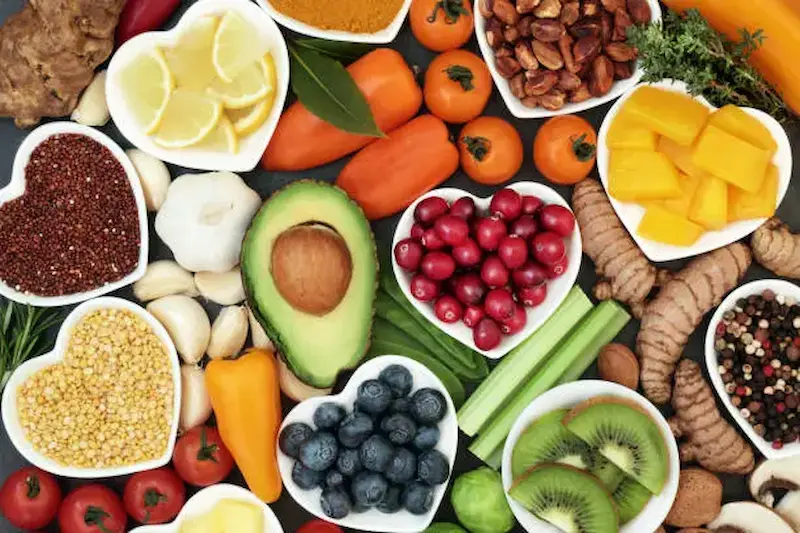
Protein is a key nutrient that keeps you full, supports muscle growth, aids tissue repair, and helps your body recover after daily activities. Including protein in every meal can prevent energy crashes, reduce unnecessary snacking, and help maintain a healthy weight. Protein also plays a vital role in strengthening your immune system and keeping your metabolism active.
How Much Protein Do You Need
The amount of protein you need depends on your age, weight, and activity level. As a general guideline, aim to include a good source of protein in every meal. Even small portions, like a boiled egg or a handful of nuts, can make a difference in your daily intake.
Protein-Rich Foods to Include
- Animal-based proteins: Eggs, chicken, fish, turkey, lean beef, and dairy products like yogurt, cheese, and milk.
- Plant-based proteins: Beans, lentils, chickpeas, tofu, tempeh, edamame, and nuts or seeds.
- Quick snack options: Boiled eggs, yogurt, cottage cheese, or a small handful of almonds or walnuts.
Easy Ways to Add Protein to Meals
- Breakfast: Add eggs, Greek yogurt, or nut butter to your morning meal. For smoothies, include protein powder, yogurt, or milk.
- Lunch: Include grilled chicken, beans, lentils, or tofu in salads, wraps, or rice bowls.
- Dinner: Include fish, lean meat, or a bean-based dish alongside vegetables and whole grains.
- Snacks: Nuts, seeds, yogurt, cottage cheese, or roasted chickpeas are convenient and nutritious options.
Tips for Busy People
- Cook protein in bulk: Boil eggs, grill chicken, or prepare lentils in advance to save time.
- Mix plant and animal proteins if desired to get a variety of nutrients.
- Add protein to snacks to stay full between meals and reduce cravings.
Benefits of Including Protein in Every Meal
Including protein in every meal stabilizes your blood sugar, reduces overeating, improves muscle health, and keeps you feeling satisfied longer. This simple habit supports energy levels, promotes healthy body composition, and makes it easier to stick to a balanced diet.
Choose Whole Grains Over Refined Carbs
Why Whole Grains Matter
Carbohydrates are your body’s main source of energy, but not all carbs are created equal. Whole grains are packed with fiber, vitamins, minerals, and antioxidants, which help your body stay energized, healthy, and full for longer. Refined carbs like white rice, white bread, pastries, and sugary cereals are stripped of their nutrients during processing. They digest quickly, causing blood sugar spikes followed by crashes, which can lead to fatigue, cravings, and overeating. Choosing whole grains instead of refined carbs supports digestion, heart health, weight management, and overall well-being.
Examples of Healthy Whole Grains
- Brown rice: A versatile, fiber-rich alternative to white rice that pairs well with almost any meal. Daily Nutrition Tips
- Oats: Perfect for breakfast as oatmeal, overnight oats, or in smoothies for long-lasting energy. Daily Nutrition Tips
- Quinoa: High in protein and fiber, great for salads, bowls, or side dishes. Daily Nutrition Tips
- Whole-grain bread or pasta: Provides sustained energy and more nutrients than refined options. Daily Nutrition Tips
- Barley, bulgur, millet, and farro: Great for soups, stews, and salads, adding texture and nutrients. Daily Nutrition Tips
- Popcorn (air-popped): A fun whole-grain snack that is high in fiber and low in calories. Daily Nutrition Tips
Easy Ways to Add Whole Grains to Your Diet
- Replace white rice with brown rice, quinoa, or millet in lunches and dinners. Daily Nutrition Tips
- Choose whole-grain bread, wraps, or tortillas for sandwiches and wraps instead of white bread.
- Swap regular pasta for whole-grain pasta or whole-wheat spaghetti. Daily Nutrition Tips
- Start your day with oatmeal, whole-grain cereal, or overnight oats instead of sugary cereals.
- Add grains like barley, bulgur, or farro to soups, stews, and salads for extra fiber and nutrition.
- Try grain-based snacks like homemade granola, whole-grain crackers, or popcorn for healthy snacking.
Benefits of Whole Grains
- Keeps you full longer: Fiber slows digestion, helping reduce unnecessary snacking and overeating.
- Supports digestion: Fiber promotes healthy gut function and regular bowel movements. Daily Nutrition Tips
- Maintains stable blood sugar: Whole grains prevent spikes and crashes in blood sugar, supporting consistent energy levels.
- Provides essential nutrients: Whole grains are rich in B vitamins, iron, magnesium, selenium, and antioxidants, which support overall health. Daily Nutrition Tips
- Heart health: High-fiber grains help reduce cholesterol and improve cardiovascular health.
Tips for Busy People
- Cook in bulk: Prepare a batch of brown rice, quinoa, or barley at the start of the week to save time.
- Mix grains with meals: Combine whole grains with vegetables and protein for balanced, filling meals.
- Experiment with variety: Try different grains each week—quinoa, bulgur, barley, or farro—to keep meals interesting and nutrient-rich. Daily Nutrition Tips
- Use frozen grains: Pre-cooked frozen grains can save prep time while still providing all the benefits.
Quick Breakfast & Snack Ideas
- Quinoa breakfast bowl: Quinoa with milk, nuts, and berries. Daily Nutrition Tips
- Overnight oats: Oats soaked overnight with yogurt and fruit. Daily Nutrition Tips
- Whole-grain toast with nut butter and banana: Balanced carbs and protein for energy.
- Homemade granola bars: Whole grains, nuts, and seeds for on-the-go nutrition.
Including whole grains in every meal is an easy, practical, and sustainable way to boost your nutrition, maintain energy, and support overall health. With simple swaps and a little planning, whole grains can become a regular, enjoyable part of your daily meals.
Eat More Fruits and Vegetables
Why Fruits and Vegetables Are Important
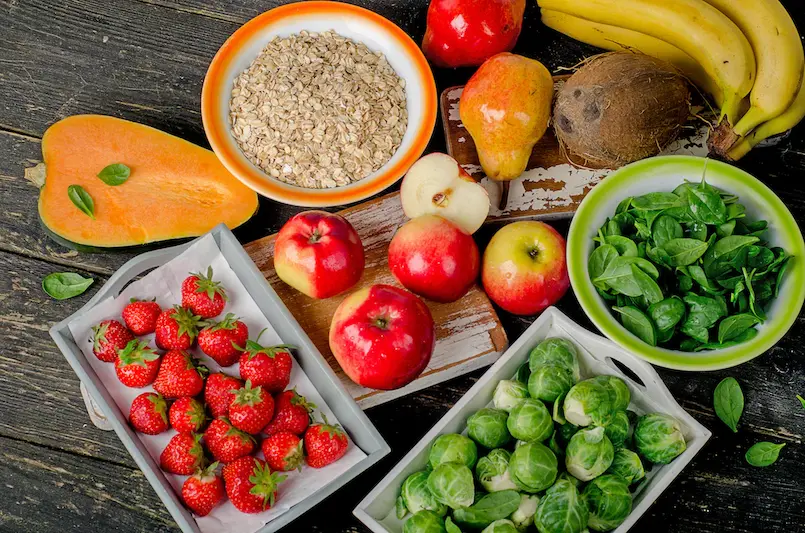
Fruits and vegetables are packed with essential vitamins, minerals, fiber, and antioxidants that support your overall health. They help strengthen your immune system, improve digestion, reduce inflammation, and lower the risk of chronic diseases such as heart disease, diabetes, and certain cancers. Including a variety of fruits and vegetables every day ensures your body gets the nutrients it needs to function at its best. Daily Nutrition Tips
How Much Should You Eat
Aim to fill half of your plate with fruits and vegetables at each meal. Nutrition experts recommend at least 5 servings per day, but more is even better. A serving can be:
- 1 cup of raw leafy vegetables (like spinach, lettuce, or kale)
- ½ cup of cooked vegetables (like broccoli, carrots, or bell peppers)
- 1 medium fruit (like an apple, banana, or orange)
- ½ cup of chopped or cooked fruit (like berries, pineapple, or mango)
Easy Ways to Include More Fruits and Vegetables
- Add vegetables to every meal: Include spinach in omelets, bell peppers in stir-fries, or tomatoes in sandwiches.
- Snack on fruits: Keep apples, bananas, berries, or grapes ready for quick, healthy snacks. Daily Nutrition Tips
- Blend smoothies: Combine fruits like berries, banana, and mango with yogurt or milk for a nutrient-packed drink.
- Make salads: Mix leafy greens, cucumbers, tomatoes, and carrots for a colorful, vitamin-rich salad. Daily Nutrition Tips
- Use frozen or pre-chopped vegetables: These are convenient and reduce prep time without sacrificing nutrition.
- Add vegetables to soups, stews, and pasta dishes: Sneak in extra nutrients without changing the flavor too much.
Tips for Busy People
- Keep a bowl of washed, chopped vegetables in the fridge for easy access.
- Mix fruits into oatmeal, yogurt, or cereal for breakfast. Daily Nutrition Tips
- Roast vegetables like carrots, broccoli, and zucchini for a quick, tasty side dish.
- Include one fruit or vegetable with every snack, such as carrot sticks with hummus or an apple with peanut butter.
Benefits of Eating More Fruits and Vegetables
- Boosts immunity: Vitamins like C, A, and E strengthen your body’s defense system.
- Improves digestion: High fiber content keeps your gut healthy and prevents constipation.
- Supports heart health: Potassium and antioxidants help maintain healthy blood pressure and reduce inflammation.
- Helps maintain a healthy weight: Low-calorie and high-fiber foods keep you full longer, reducing overeating.
- Enhances energy and mood: Nutrient-dense foods help you feel more energetic and focused throughout the day.
Including a variety of fruits and vegetables in every meal and snack is one of the simplest ways to improve your overall nutrition. By making colorful plates a habit, you’ll not only get essential nutrients but also enjoy tasty, satisfying meals every day.
What are the most important daily nutrition tips?
The key tips include eating a balanced breakfast, including protein in every meal, choosing whole grains over refined carbs, eating plenty of fruits and vegetables, staying hydrated, limiting added sugars and processed foods, and watching portion sizes.
How can I eat healthy if I have a busy schedule?
Plan your meals ahead, cook in batches, and keep quick and nutritious ingredients like eggs, oats, frozen vegetables, yogurt, and nuts on hand. Smoothies and one-pot meals are also convenient options for busy days.
Can daily nutrition tips help with weight management?
Yes. Following these tips promotes balanced meals, reduces unnecessary snacking, stabilizes blood sugar, and helps maintain a healthy weight naturally.
Conclusion
Following simple daily nutrition tips can transform your health, energy levels, and overall well-being. By including protein in every meal, choosing whole grains, eating plenty of fruits and vegetables, staying hydrated, and watching portion sizes, you can create a balanced and sustainable eating routine. Small, consistent changes—like swapping refined carbs for whole grains, adding a colorful salad to lunch, or drinking enough water—can make a big difference over time. Whether you’re a busy professional, a student, or someone looking to improve your eating habits, these tips make healthy nutrition easy, practical, and enjoyable. Start today, and build habits that support a healthier, more energetic life every day.