
A simple meal guide is an easy and practical way to plan your daily meals without stress or confusion. It focuses on balanced and nutritious foods that are simple to prepare and suitable for everyday life. Instead of following strict diets or complicated meal plans, a simple meal guide helps you understand what to eat, how much to eat, and how to create healthy meals using basic ingredients. This approach makes healthy eating more realistic and enjoyable for beginners and busy people. By following a simple meal guide, you can save time, improve energy levels, support overall health, and build long-term healthy eating habits without feeling overwhelmed.
What Is a Simple Meal Guide
Easy Meal Planning Made Simple
A simple meal guide is an easy and practical way to plan daily meals without stress or confusion. It focuses on using basic, healthy foods that are simple to prepare and suitable for everyday life. This approach helps people eat better without following strict diets or complicated meal plans.
Balanced and Nutritious Food Choices
A simple meal guide encourages eating a balanced mix of foods from all major food groups. This includes carbohydrates for energy, proteins for strength, healthy fats for overall wellness, and fruits and vegetables for vitamins and minerals. The goal is to create meals that support good health while staying easy and affordable.
Ideal for Beginners and Busy People
This type of meal guide is especially helpful for beginners and busy individuals who want to improve their eating habits. It removes confusion about what to eat and how much to eat, making healthy eating more achievable and sustainable over time.
Why You Need a Simple Meal Guide

Eating healthy doesn’t have to be complicated or stressful. A simple meal guide is a practical tool that makes meal planning easy, affordable, and enjoyable. Here’s why it’s so useful:
1. Saves Time and Effort
Deciding what to cook every day can be exhausting, especially after a long day at work or school. A simple meal guide helps you plan meals ahead, know what to cook for breakfast, lunch, and dinner, cook faster using easy recipes with fewer ingredients, and use leftovers efficiently to reduce time spent cooking. For example, preparing a batch of rice and roasted vegetables on Sunday can give you quick lunches or dinners all week.
2. Reduces Stress and Confusion
Without a plan, it’s easy to feel overwhelmed by the question, “What should I eat today?” A simple meal guide helps you avoid last-minute unhealthy takeout, stay organized in the kitchen, and make grocery shopping easier. A weekly meal list or template ensures you always know what to cook.
3. Supports Healthy Eating Habits
A simple meal guide encourages balance in your diet by including protein like chicken, eggs, or beans for energy and muscle support, carbohydrates like rice, oats, or potatoes for fuel, and fruits and vegetables for vitamins and fiber. Following this guide regularly helps you eat nutritious meals without overthinking calories or complicated diets.
4. Budget-Friendly and Practical
Simple meals often use affordable, readily available ingredients, helping you spend less on groceries, reduce food waste by planning portions, and avoid unnecessary snacks or takeout. For example, lentil soup with vegetables is cheap, filling, and nutritious.
5. Ideal for Beginners and Busy People
If you’re new to cooking or have a hectic schedule, a simple meal guide builds confidence in the kitchen, encourages consistency without pressure, and helps you enjoy home-cooked meals even with minimal experience.
6. Encourages Mindful Eating
By planning meals in advance, you naturally avoid skipping meals, eat balanced portions, and make better food choices. Using the simple meal guide helps you focus on quality and balance rather than quantity.
In short, a simple meal guide is not just about cooking—it’s about making your life easier, healthier, and more organized. With this guide, you can save time, reduce stress, eat better, and even save money while building a sustainable and enjoyable eating routine.
you may also like to read these posts;
Workout Equipment Reviews: Best Gear for Home & Gym
Home Fitness Gear Reviews: Best Tools for Your Workouts
Best Fitness Products: Top Gear for Your Home Workouts
Gym Equipment Reviews: Top Picks for Home Workouts
Fitness Tool Reviews: Top Gear for Home and Gym Workouts
Basic Parts of a Simple Healthy Meal
A healthy meal doesn’t need to be complicated. The key is balance and variety. Every meal should ideally include three main components: protein, carbohydrates, and vegetables or fruits. Including these ensures your body gets the energy, nutrients, and vitamins it needs to function well and stay energized throughout the day.
1. Protein
Protein is the building block of your body. It keeps you full for longer, supports muscle growth, repairs tissues, and strengthens your immune system. Good sources of protein include eggs, chicken, fish, beans, lentils, tofu, yogurt, and nuts. For example, a simple lunch of grilled chicken with vegetables or a bowl of lentil soup is rich in protein and very satisfying. Even small portions, like a boiled egg or a handful of nuts, can help maintain your energy levels between meals. For vegetarian options, beans, lentils, chickpeas, paneer, or tofu are excellent sources.
Tips:
- Include at least one source of protein in every meal.
- For snacks, nuts, seeds, or yogurt are quick protein options.
- Mix different proteins during the day to get a variety of nutrients.
2. Carbohydrates
Carbohydrates are your body’s main energy source. They fuel your brain, muscles, and daily activities. Healthy carbs include rice, oats, whole-grain bread, pasta, quinoa, potatoes, and sweet potatoes. These are slow-digesting carbs that provide sustained energy instead of causing a quick sugar spike. Avoid refined or overly processed carbs like white bread, pastries, and sugary cereals as much as possible.
Tips:
- Opt for whole grains whenever possible for added fiber.
- Pair carbs with protein to maintain steady energy and avoid blood sugar spikes.
- Use versatile carbs like rice or oats to create multiple simple meals throughout the week.
3. Vegetables and Fruits
Vegetables and fruits are packed with essential vitamins, minerals, and fiber. They help digestion, improve immunity, and provide antioxidants that keep your body healthy. Examples include leafy greens, tomatoes, cucumbers, carrots, broccoli, apples, bananas, berries, and seasonal fruits. Colorful plates are usually more nutritious, so try to include at least two different vegetables or fruits in every meal.
Tips:
- Keep frozen or pre-chopped vegetables for easy cooking.
- Add fruits to breakfast or as snacks to naturally satisfy sweet cravings.
- Experiment with different vegetables each week to enjoy variety and taste.
Balancing Your Meal
A simple way to remember balance is: half your plate with vegetables or fruits, one-quarter with protein, and one-quarter with carbohydrates. This ensures your meal is nutritious, filling, and satisfying without overcomplicating things. You can adjust proportions slightly based on your activity level or personal needs.
Extra Tips for a Simple, Healthy Meal:
- Include healthy fats like olive oil, avocado, or nuts in moderation.
- Drink water with your meals to aid digestion.
- Use herbs and spices to make meals flavorful without adding extra calories.
- Plan meals ahead so that all three components are included easily.
Including all three components in each meal keeps you energized, supports healthy body functions, and makes your meals simple, nutritious, and enjoyable. With this foundation, even beginners can create balanced meals without stress.
Simple Meal Ideas for the Whole Day
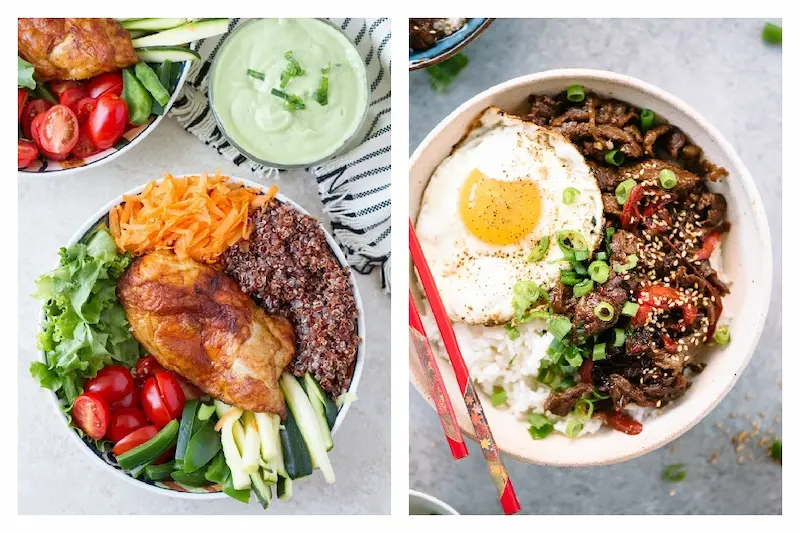
Eating healthy doesn’t have to be complicated. By combining protein, carbohydrates, and fruits or vegetables in each meal, you can enjoy tasty, balanced meals all day. Here are some simple ideas:
Breakfast
- Oatmeal with fruit and nuts: Cook oats with milk or water, add sliced banana or berries, and sprinkle some nuts for protein.
- Scrambled eggs with toast: Two eggs scrambled with a little olive oil, served with whole-grain toast and a side of tomatoes or spinach.
- Yogurt parfait: Layer yogurt with fresh fruit and granola or seeds for a quick, nutritious breakfast.
- Smoothie: Blend a banana, spinach, Greek yogurt, and a spoon of peanut butter for a filling, energizing drink.
Lunch
- Grilled chicken with rice and vegetables: Simple grilled chicken served with cooked rice and steamed or stir-fried vegetables like broccoli, carrots, and bell peppers.
- Lentil curry with roti: A warm, protein-rich lentil curry with whole-wheat roti or chapati and a side salad.
- Vegetable sandwich: Whole-grain bread with hummus, lettuce, cucumber, tomato, and a boiled egg or cheese slice.
- Quinoa salad: Mix cooked quinoa with beans, corn, tomatoes, cucumbers, and a light olive oil dressing.
Dinner
- Baked fish with roasted vegetables: Season fish with herbs, bake it, and serve with roasted carrots, zucchini, or bell peppers.
- Vegetable stir-fry with rice or noodles: Quick stir-fry using broccoli, bell peppers, mushrooms, and tofu or chicken, served over brown rice or whole-grain noodles.
- Soup and bread: Homemade vegetable or chicken soup served with a slice of whole-grain bread.
- Egg and vegetable bowl: Scrambled eggs or omelet with sautéed vegetables like spinach, mushrooms, and tomatoes.
Snacks
- Fruits: Apple, banana, orange, or a handful of berries.
- Nuts and seeds: Almonds, walnuts, sunflower seeds, or pumpkin seeds for protein and healthy fats.
- Boiled eggs: Quick and protein-packed.
- Yogurt with honey or fruit: Light, refreshing, and filling.
- Veggie sticks with hummus: Carrots, cucumber, and bell pepper sticks for a crunchy snack.
Tips for Simple Meal Prep
- Cook in batches to save time: Prepare rice, lentils, or roasted vegetables in advance.
- Keep easy staples on hand: Eggs, yogurt, canned beans, frozen vegetables, oats, and whole-grain bread.
- Mix and match ingredients: Swap chicken for fish, or rice for quinoa to keep meals varied.
- Use one-pot meals when possible: Soups, stir-fries, and curries are easy and require less cleanup.
By following these simple meal ideas, you can eat balanced, nutritious meals all day without stress or complicated cooking. You’ll save time, stay healthy, and enjoy food that’s simple and satisfying.
What is a simple meal guide?
A simple meal guide is a plan that helps you prepare balanced meals with minimal effort. It focuses on including protein, carbohydrates, and vegetables or fruits in each meal, making healthy eating easy and stress-free.
Who can follow a simple meal guide?
Anyone can follow it—beginners, busy professionals, students, or families. It’s ideal for people who want nutritious meals without complicated recipes or long cooking times.
Can a simple meal guide help with weight management?
Yes, because it emphasizes balanced meals, portion control, and healthy ingredients. Following a simple meal guide regularly can support weight management and overall health.
Conclusion
A simple meal guide makes healthy eating easy, practical, and stress-free. By including protein, carbohydrates, and vegetables or fruits in every meal, you can enjoy balanced nutrition without spending hours in the kitchen. Planning meals ahead, keeping ingredients simple, and using easy recipes helps save time, reduce stress, and even cut down on grocery costs. Whether you’re a beginner, a busy professional, or someone looking for healthier habits, following a simple meal guide can make your daily meals more enjoyable, nutritious, and consistent. Start small, stay consistent, and watch how simple, balanced meals can transform your health and lifestyle.