
Losing weight is not just about eating less or skipping meals—it’s about eating smarter. A nutrition guide for weight loss helps you understand what to eat, how much to eat, and how to make choices that support your goals. It focuses on healthy, sustainable habits instead of quick fixes or extreme diets nutrition guide for weight loss
Following a proper nutrition plan can improve energy, reduce cravings, and help your body burn fat more efficiently. A guide like this is especially helpful for beginners who want a clear and simple approach to weight loss. By learning which foods are beneficial and which to limit, you can lose weight safely while still enjoying your meals
What Is a Nutrition Guide for Weight Loss
Simple Definition
A nutrition guide for weight loss is a structured plan that shows you what to eat, how much to eat, and when to eat to lose weight safely. It focuses on providing the right balance of nutrients while keeping calories in check. This type of guide makes it easy to understand how food affects your body and helps prevent mistakes that can slow down weight loss
How It Helps Beginners
For beginners, a nutrition guide provides step-by-step guidance on making healthy food choices. It teaches you how to read food labels, plan meals, and create balanced plates. By following the guide, beginners can avoid confusion, stay motivated, and gradually build habits that support long-term weight loss
Difference from Fad Diets
Unlike fad diets that often restrict certain foods or require extreme routines, a nutrition guide for weight loss promotes sustainable changes. It emphasizes moderation, variety, and consistency rather than quick fixes. This approach prevents rebound weight gain and supports overall health
Focus on Balance
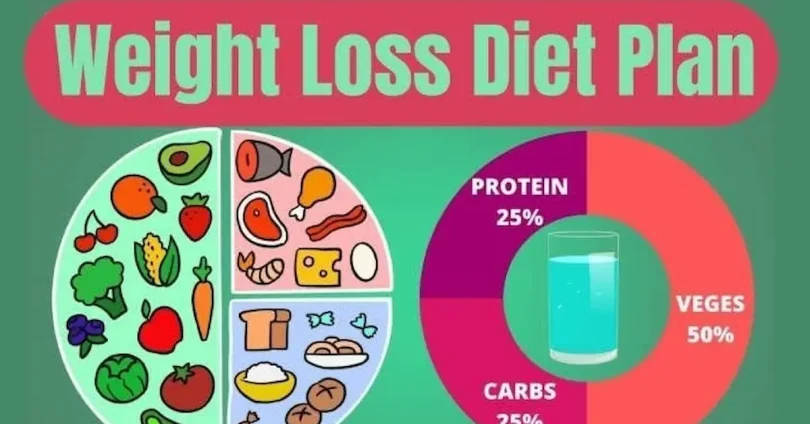
A proper nutrition guide balances macronutrients—proteins, carbohydrates, and healthy fats—along with fiber, vitamins, and minerals. It ensures your body gets enough energy to stay active while creating a calorie deficit that encourages fat loss. This balance helps reduce hunger, maintain muscle mass, and keep energy levels stable throughout the day
Encourages Mindful Eating
A good guide also teaches mindful eating habits, such as eating slowly, listening to hunger cues, and avoiding emotional eating. Mindful eating helps prevent overeating, improves digestion, and makes the weight loss journey more manageable and enjoyable
Builds Long-Term Habits
The main goal of a nutrition guide for weight loss is to create habits that last. By learning which foods nourish the body, how to control portions, and how to plan meals, beginners can achieve steady, healthy weight loss and maintain it for the long term
Why Nutrition Matters for Weight Loss
Provides the Right Fuel for Your Body
Proper nutrition ensures your body gets enough energy while still allowing you to create a calorie deficit for weight loss. Eating nutrient-rich foods helps your metabolism stay active, supports daily activities, and prevents fatigue, dizziness, or weakness that can occur with extreme calorie restriction
Controls Hunger and Cravings
A weight loss nutrition guide emphasizes foods high in protein, fiber, and healthy fats, which keep you full longer and reduce constant snacking. By controlling hunger naturally, you avoid impulsive eating and make it easier to stick to your weight loss plan
Supports Fat Loss, Not Muscle Loss
When losing weight, the goal is to burn fat while preserving muscle. A balanced nutrition plan with adequate protein and healthy fats protects muscle mass, prevents a slowed metabolism, and ensures that weight loss comes from fat instead of lean tissue
Boosts Energy and Mood
Eating too few calories or skipping nutrients can cause fatigue, irritability, and poor focus. Proper nutrition provides essential vitamins, minerals, and macronutrients that keep energy levels steady, improve concentration, and enhance mood, making it easier to stay active and motivated
Improves Digestion and Overall Health
A nutrition-focused weight loss plan includes fiber-rich foods like fruits, vegetables, and whole grains, which support healthy digestion and prevent bloating or constipation. Proper hydration and nutrient intake also keep skin, hair, and organs healthy during weight loss
Reduces Risk of Health Problems
Losing weight with a proper nutrition plan helps lower the risk of developing chronic diseases such as heart disease, diabetes, high blood pressure, and high cholesterol. A balanced approach ensures you lose weight safely without harming your health
Encourages Sustainable Habits
One of the most important benefits of a nutrition guide for weight loss is building long-term, sustainable habits. Instead of relying on fad diets or extreme restrictions, you learn how to make consistent healthy choices, plan meals, and eat mindfully, which supports lasting weight management
Promotes Better Exercise Performance
Good nutrition fuels workouts and supports recovery. When your body has enough protein, carbohydrates, and healthy fats, exercise becomes more effective, helping you burn more calories and improve fitness while losing weight
Key Principles of Weight Loss Nutrition
Eat Nutrient-Dense Foods
Focus on foods that provide the most nutrients with fewer calories. Vegetables, fruits, lean proteins, whole grains, and healthy fats supply essential vitamins and minerals while supporting weight loss. Nutrient-dense foods keep you full longer, improve energy, and reduce unhealthy cravings. Choosing whole, fresh foods over processed options ensures better satiety and overall health
Balance Macronutrients
A successful weight loss plan requires the right balance of proteins, carbohydrates, and healthy fats. Protein helps maintain muscle mass and supports metabolism, carbohydrates provide energy for workouts and daily activities, and healthy fats support brain function, hormone balance, and heart health. Proper macronutrient balance keeps energy levels stable, reduces fatigue, and helps prevent overeating
Control Portions and Calories
Portion control is essential for creating a calorie deficit, which is necessary for weight loss. Use smaller plates, measure servings, and pay attention to hunger and fullness cues. Eating slowly and avoiding distractions like TV or smartphones can help prevent consuming extra calories unintentionally. Proper portion sizes also help maintain a healthy metabolism without extreme restrictions
Include Fiber-Rich Foods
Fiber-rich foods such as fruits, vegetables, whole grains, and legumes are important for digestion and weight loss. Fiber slows down digestion, keeps you full longer, and stabilizes blood sugar levels. Including enough fiber in meals prevents sudden hunger pangs, reduces cravings, and supports sustainable fat loss
Stay Hydrated
Water plays a crucial role in digestion, nutrient absorption, metabolism, and appetite control. Drinking enough water helps reduce unnecessary snacking, improves exercise performance, and promotes fat burning. Aim for at least 6–8 glasses daily, and consider herbal teas or water-rich foods like fruits and vegetables to boost hydration
Eat Mindfully
Mindful eating helps you pay full attention to what and how you eat. Focus on your food, chew slowly, and notice your body’s hunger and fullness signals. This prevents overeating, improves digestion, and enhances enjoyment of meals. Mindful eating also helps break emotional eating patterns that can hinder weight loss
Plan Meals Ahead
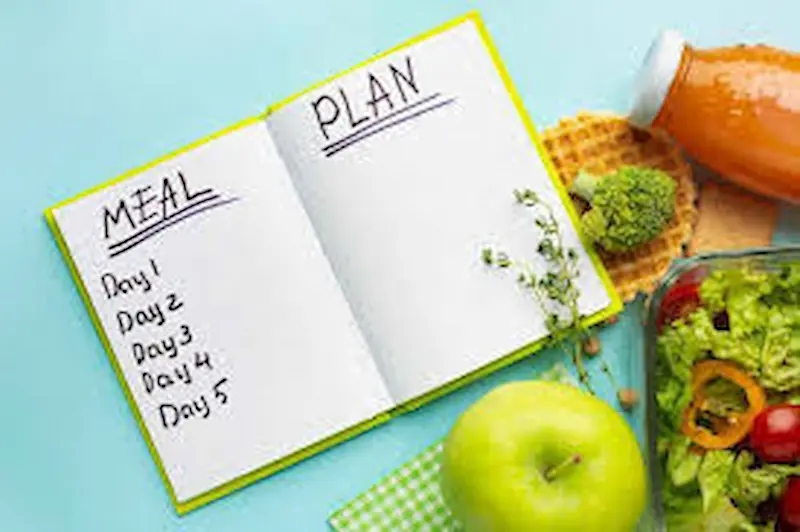
Meal planning is a key principle for successful weight loss. Preparing meals in advance ensures that you have healthy options ready and reduces the temptation to choose unhealthy fast food. Planning allows you to control portions, include a variety of nutrient-rich foods, and stay consistent with your calorie and macronutrient goals Nutrition Guide for Weight Loss
Limit Processed and Sugary Foods
Highly processed foods and sugary snacks provide empty calories, spike blood sugar, and trigger cravings, making weight loss harder. Limit intake of soda, sweets, pastries, fried foods, and packaged snacks. Focus on natural foods that nourish your body while supporting fat loss Nutrition Guide for Weight Loss
Practice Consistency Over Perfection
Weight loss nutrition is about long-term habits, not short-term perfection. Small, consistent changes are more effective and sustainable than extreme restrictions or crash diets. Over time, these habits become part of your lifestyle, helping you maintain weight loss and improve overall health Nutrition Guide for Weight Loss
Listen to Your Body
Pay attention to your body’s signals. Eat when you’re hungry and stop when you’re full. Adjust your meals and snacks based on activity levels, energy needs, and how your body responds to different foods. Learning to listen to your body is one of the most important principles of sustainable weight loss Nutrition Guide for Weight Loss
you may also like to read these posts;
Workout Equipment Reviews: Best Gear for Home & Gym
Home Fitness Gear Reviews: Best Tools for Your Workouts
Best Fitness Products: Top Gear for Your Home Workouts
Gym Equipment Reviews: Top Picks for Home Workouts
Fitness Tool Reviews: Top Gear for Home and Gym Workouts
Foods to Include for Weight Loss

Lean Proteins
Proteins are essential for building and maintaining muscle while losing fat. They also keep you full for longer, reducing cravings. Include lean sources like chicken, turkey, fish, eggs, tofu, beans, lentils, and low-fat dairy. Protein-rich snacks like Greek yogurt or boiled eggs are great options between meals Nutrition Guide for Weight Loss
Vegetables and Fruits
Vegetables and fruits are low in calories but high in vitamins, minerals, and fiber. They help you feel full without adding excess calories. Dark leafy greens, broccoli, bell peppers, berries, apples, and citrus fruits are excellent choices. Eating a variety of colors ensures a broad range of nutrients Nutrition Guide for Weight Loss
Whole Grains
Whole grains provide slow-releasing energy and fiber, keeping you satisfied for longer. Brown rice, oats, quinoa, barley, and whole wheat products are better options than refined grains. Whole grains stabilize blood sugar and prevent energy crashes that can lead to overeating Nutrition Guide for Weight Loss
Healthy Fats
Healthy fats support brain function, hormone balance, and heart health. They also help you feel satisfied after meals. Include sources like avocado, olive oil, nuts, seeds, and fatty fish such as salmon or mackerel. Remember to consume fats in moderation to manage calorie intake Nutrition Guide for Weight Loss
Legumes and Beans
Beans, lentils, chickpeas, and peas are rich in protein and fiber. They provide long-lasting energy, support digestion, and keep you full between meals. Legumes are versatile and can be added to salads, soups, or main dishes Nutrition Guide for Weight Loss
Low-Calorie Snacks
Snacks are part of a healthy weight loss plan if chosen wisely. Opt for fruits, raw vegetables with hummus, nuts, seeds, or low-fat yogurt instead of processed, high-calorie snacks. Healthy snacks prevent excessive hunger and overeating during main meals
Hydrating Foods
Water-rich foods like cucumbers, watermelon, oranges, and lettuce help keep you hydrated and feeling full. Including these in your diet supports digestion, reduces water retention, and complements your daily water intake Nutrition Guide for Weight Loss
Spices and Herbs
Adding herbs and spices like cinnamon, turmeric, ginger, garlic, and chili can boost metabolism and enhance flavor without adding calories. They also provide antioxidants and anti-inflammatory benefits Nutrition Guide for Weight Loss
Fermented Foods
Yogurt, kefir, kimchi, and sauerkraut contain probiotics that support gut health. A healthy gut can improve digestion, nutrient absorption, and even aid in weight management Nutrition Guide for Weight Loss
What is a nutrition guide for weight loss?
It’s a plan that helps you choose the right foods, control portions, and balance nutrients to lose weight safely and sustainably
Can I eat my favorite foods while trying to lose weight?
Yes, occasional treats are fine if most meals focus on nutrient-dense, low-calorie foods. Moderation is key
How much protein should I eat daily for weight loss?
A good guideline is to include a source of protein in every meal, such as eggs, chicken, fish, beans, or dairy, to support muscle and keep you full
Conclusion
A nutrition guide for weight loss helps you make smarter food choices, control portions, and eat the right balance of nutrients to achieve your goals safely. By including lean proteins, vegetables, fruits, whole grains, and healthy fats, you can lose weight while staying energized and satisfied
Following this guide improves digestion, boosts metabolism, reduces cravings, and supports overall health. It focuses on building sustainable, long-term habits rather than relying on fad diets or extreme restrictions. With consistent healthy choices, meal planning, mindful eating, and proper hydration, beginners can achieve steady weight loss and maintain results for the long term