

A daily workout routine is a simple and effective way to stay healthy, active, and energized. Exercising every day helps improve strength, endurance, flexibility, and overall well-being. Whether your goal is to lose weight, build muscle, or simply maintain a healthy lifestyle, following a daily routine can make it easier to reach your fitness goals.
Daily workouts don’t have to be long or complicated. Even 20–40 minutes of focused exercise can have a big impact on your health. By creating a consistent routine, you can form healthy habits, increase your energy levels, and improve both physical and mental health. This guide will help beginners understand how to start a daily workout routine safely and effectively.
Benefits of a Daily Workout Routine
Improves Overall Physical Health
A daily workout routine strengthens all major muscle groups, improves cardiovascular health, and increases endurance. Regular exercise helps maintain a healthy weight, strengthens bones and joints, and reduces the risk of chronic diseases like diabetes, heart disease, and high blood pressure.
Boosts Energy and Stamina
Exercising daily increases blood flow and oxygen delivery to your muscles, which boosts energy levels. Over time, your stamina improves, making daily tasks easier and reducing fatigue throughout the day.
Supports Weight Management
Daily physical activity increases calorie burn and boosts metabolism. Combined with a healthy diet, a daily workout routine helps with weight management, fat loss, and maintaining lean muscle mass.
Enhances Mental Health
Exercise releases endorphins, which are natural mood boosters. A daily workout routine can reduce stress, anxiety, and symptoms of depression. It also improves focus, memory, and sleep quality, helping you feel more alert and positive during the day.
Builds Consistency and Healthy Habits
Following a daily workout routine helps develop discipline and consistency. By making exercise a part of your daily schedule, it becomes a habit, which is essential for long-term fitness and overall well-being.
Improves Flexibility and Balance
Including stretching, yoga, or mobility exercises in your daily routine enhances flexibility, balance, and coordination. This reduces the risk of injuries and improves posture, making everyday movements smoother and safer.
Adaptable for All Fitness Levels
Daily workouts can be tailored to your fitness level. Beginners can start with short, simple exercises, while advanced individuals can include more intense or longer sessions. This adaptability ensures that anyone can benefit from daily exercise.
Promotes Recovery and Prevents Overtraining
A well-balanced daily routine includes lighter activity or active recovery days. This allows muscles to rest while keeping the body moving, preventing overtraining, and supporting sustainable fitness progress.
Things to Know Before Starting a Daily Workout Routine
Assess Your Fitness Level
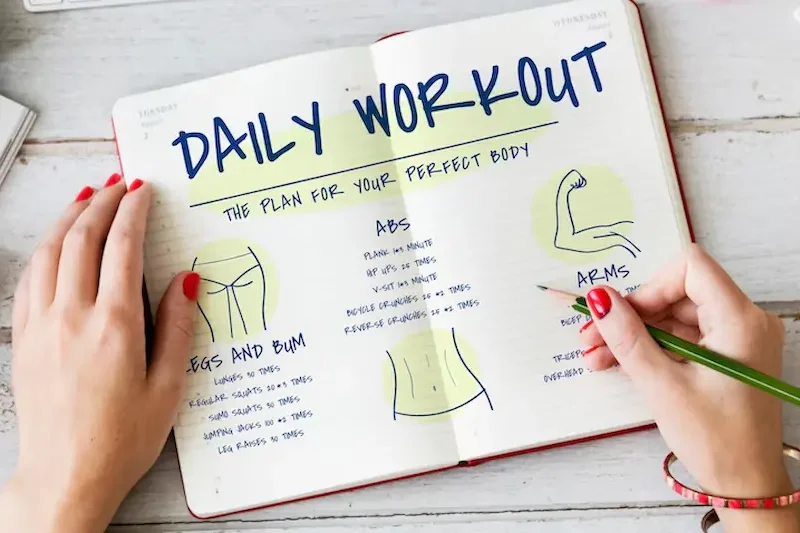
Before starting a daily workout routine, it’s crucial to understand your current fitness level. Beginners should start with simple, low-intensity exercises to avoid injury. Even if you have some prior experience, starting slowly and gradually increasing the intensity ensures that your body adapts safely. Evaluating your fitness level also helps you choose exercises that are suitable for your strength, flexibility, and endurance.
Set Realistic and Achievable Goals
Setting clear and achievable goals is essential for staying motivated. Your goals can include weight loss, building muscle, improving endurance, increasing flexibility, or simply maintaining a healthy lifestyle. Realistic goals prevent frustration and help you track progress over time. Break larger goals into smaller milestones, which makes it easier to stay consistent and celebrate achievements along the way.
Include a Proper Warm-Up
A warm-up is a critical part of any daily workout routine. Warming up increases blood flow, prepares your muscles and joints, and reduces the risk of injury. Spend 5–10 minutes performing light cardio, such as jogging in place or brisk walking, followed by dynamic stretches like leg swings, arm circles, and torso twists. A proper warm-up makes your workout more effective and prepares your body for more intense movements.
Focus on Correct Form
Proper form is more important than the number of repetitions or intensity. Performing exercises incorrectly can lead to injuries and reduce the effectiveness of your workout. Take your time to learn the right technique for each exercise. Use mirrors, instructional videos, or guidance from a trainer if needed. Controlled movements with good form will give better results and protect your joints and muscles.
Stay Hydrated and Eat Well
Hydration and nutrition are essential for a successful daily workout routine. Drink enough water before, during, and after your workout to maintain energy levels and prevent dehydration. Eating a balanced diet that includes protein, complex carbohydrates, and healthy fats fuels your body for exercise and supports recovery. Avoid heavy meals right before workouts, but ensure you have enough energy to perform exercises effectively. Daily Workout Routine
Listen to Your Body
Your body gives signals when something is too much. Mild muscle soreness is normal, but sharp pain or unusual discomfort is a warning to stop or modify the exercise. Listening to your body prevents injuries, helps you recover faster, and ensures that your routine is safe and sustainable. Adjust intensity or take a rest day when needed to avoid overtraining. Daily Workout Routine
Plan Recovery and Active Rest Days
Even in a daily workout routine, recovery is essential. Include lighter activity or active recovery days with low-impact exercises like yoga, stretching, or walking. These activities keep your body moving, improve flexibility, and allow muscles to repair without adding excessive strain. Proper recovery prevents burnout, reduces the risk of injury, and ensures that you can maintain a consistent routine long-term. Daily Workout Routine
Track Progress and Stay Motivated
Keeping track of your workouts helps maintain motivation and shows how far you’ve come. Note the exercises performed, repetitions, sets, duration, or improvements in endurance. Tracking progress also helps you adjust your routine, increase intensity when ready, and stay committed to achieving your fitness goals. Daily Workout Routine
Warm-Up Exercises for a Daily Workout Routine
Why Warm-Up Is Important
A proper warm-up is essential before starting any daily workout routine. It increases blood flow to your muscles, improves flexibility, and prepares your joints for movement. Warming up reduces the risk of injury and helps you perform exercises more effectively. Spending just 5–10 minutes warming up can make your entire workout safer and more productive. Daily Workout Routine
Neck and Shoulder Warm-Up
Start by gently rotating your neck from side to side and then in small circles to release tension. Follow this with shoulder rolls, moving your shoulders forward and backward to loosen the joints. This prepares your upper body for pushing, pulling, and lifting movements.
Arm Circles and Arm Swings
Perform arm circles by extending your arms to the side and moving them in small circles, gradually increasing the size. Then do controlled arm swings across your body and overhead. These movements increase blood flow to the shoulders and arms and improve joint mobility.
Light Cardio Warm-Up
Engage in light cardio to gradually raise your heart rate. March in place, do slow jumping jacks, or jog lightly for 2–3 minutes. This activates multiple muscle groups, improves circulation, and prepares your body for more intense exercises.
Hip and Leg Mobility Exercises
Perform hip circles by standing on one leg and moving the other leg in a circular motion. Add leg swings forward and backward to loosen the hips, hamstrings, and quads. Include knee bends and ankle rotations to prepare your lower body for squats, lunges, and other leg exercises.
Dynamic Stretching
Dynamic stretches involve gentle movement rather than holding a position. Examples include torso twists, walking lunges, or high knees. Dynamic stretches increase flexibility, improve coordination, and activate the muscles you will use during your daily workout routine.
Tips for an Effective Warm-Up
- Keep movements slow and controlled to prevent strain.
- Focus on breathing steadily throughout the warm-up.
- Spend 5–10 minutes warming up, adjusting duration based on your fitness level.
- Ensure you cover the entire body, especially the muscle groups you plan to work on.
Warming up properly sets the tone for the rest of your workout, reduces the risk of injuries, and enhances overall performance.
you may also like to read these posts;
Workout Equipment Reviews: Best Gear for Home & Gym
Home Fitness Gear Reviews: Best Tools for Your Workouts
Best Fitness Products: Top Gear for Your Home Workouts
Gym Equipment Reviews: Top Picks for Home Workouts
Fitness Tool Reviews: Top Gear for Home and Gym Workouts
Sample Daily Workout Routine for Beginners
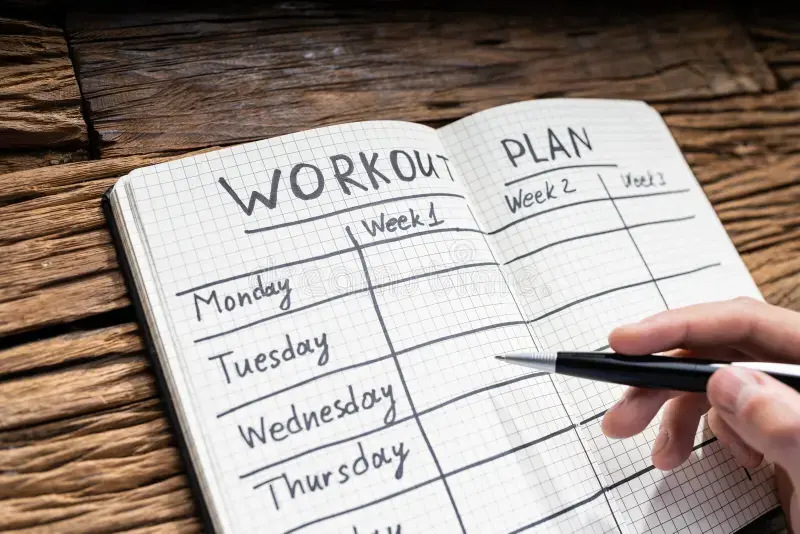
Creating a structured daily workout routine helps beginners build strength, improve endurance, and develop a consistent habit. The routine below balances strength, cardio, core, and flexibility while allowing recovery to prevent overtraining
Day 1 – Full Body Strength
Focus on exercises that engage multiple muscle groups to build overall strength
- Squats – 12–15 reps: Strengthens legs, glutes, and core
- Push-Ups – 8–12 reps: Builds chest, shoulders, triceps, and core
- Plank – 20–30 seconds: Engages core and back muscles
- Bent-Over Rows – 10–12 reps: Strengthens back and arms
Day 2 – Cardio & Endurance
Cardio improves heart health, stamina, and calorie burn
- Brisk Walking or Jogging – 20–30 minutes: Enhances cardiovascular health
- Jumping Jacks – 30–60 seconds: Full-body warm-up and cardio
- Mountain Climbers – 30 seconds: Engages core and increases heart rate
Day 3 – Core & Flexibility
Strengthen your abs and improve mobility with these exercises
- Crunches – 12–15 reps: Strengthens abdominal muscles
- Leg Raises – 10–12 reps: Targets lower abs
- Torso Twists – 10 per side: Works obliques and improves flexibility
- Stretching or Yoga – 10–15 minutes: Enhances flexibility and promotes recovery
Day 4 – Lower Body Focus
Focus on strengthening legs, glutes, and hips
- Lunges – 8–10 per leg: Tones legs and improves balance
- Glute Bridges – 12–15 reps: Strengthens glutes and lower back
- Calf Raises – 12–15 reps: Builds calf strength and stability
- Side Leg Lifts – 10 per leg: Targets outer thighs and hips
Day 5 – Upper Body Focus
Work on arms, shoulders, chest, and back
- Shoulder Press – 10–12 reps: Strengthens shoulders and arms
- Bicep Curls – 10–12 reps: Builds arm strength
- Tricep Dips – 8–12 reps: Tones triceps and improves upper body strength
- Arm Circles – 30 seconds: Warms up shoulder joints and improves mobility
Day 6 – Cardio & Active Recovery
Keep moving with low-impact activities that allow recovery
- Walking, Cycling, or Swimming – 20–30 minutes: Low-impact cardio
- Light Stretching – 5–10 minutes: Enhances recovery and flexibility
Day 7 – Rest or Light Activity
Allow your muscles to recover while maintaining light activity
- Gentle Yoga, Stretching, or a Short Walk: Keeps the body moving without strain
Tips for Beginners
- Start with 1–2 sets of each exercise and gradually increase as strength improves
- Rest 30–60 seconds between exercises to maintain energy and proper form
- Track progress to stay motivated and notice improvements
- Adjust exercises based on your fitness level; use modifications if needed
- Always include warm-up and cool-down to prevent injury and improve flexibility
How long should a daily workout be
For beginners, 20–40 minutes is enough, including warm-up and cool-down. Short sessions are effective if done consistently
Can I do daily workouts without equipment
Yes, exercises like squats, lunges, push-ups, planks, and yoga are very effective and require no equipment
Is it safe to exercise every day
Yes, daily exercise is safe if you include rest or light activity days and avoid overtraining
Conclusion
A daily workout routine is an effective way to improve overall health, build strength, and increase energy levels. Following a consistent plan helps you develop healthy habits, improve endurance, and maintain a balanced body. Exercising every day supports mental well-being by reducing stress, boosting mood, and improving focus. Even short sessions of 20–40 minutes can have a significant impact when done consistently.
By combining strength, cardio, and flexibility exercises, a daily routine strengthens muscles, enhances cardiovascular health, and improves mobility. Proper warm-ups, cool-downs, and listening to your body ensure safety and prevent injuries. Beginners can start slowly, gradually increasing intensity and duration as their fitness improves.
Consistency is key to seeing results. Even if progress feels slow at first, regular daily activity builds discipline and long-term fitness habits. A daily workout routine is not just about physical benefits; it also promotes confidence, energy, and a sense of achievement. By staying dedicated and patient, you can transform your health and enjoy a stronger, more active, and healthier lifestyle.