

A full body workout routine is one of the most effective ways to improve overall fitness and strength. It focuses on training all major muscle groups in a single workout, including the arms, legs, chest, back, shoulders, and core. This makes it a great option for beginners and for people who have limited time to exercise. Instead of working on one body part each day, a full body workout allows you to stay active and balanced with fewer sessions per week.
A full body workout routine is simple to follow and can be done at home or in the gym. It helps build muscle, increase endurance, and burn calories at the same time. With the right exercises and proper form, this routine supports long-term fitness and helps you develop a strong and healthy body.
What Is a Full Body Workout Routine
Definition of a Full Body Workout
A full body workout routine is an exercise plan that trains all major muscle groups in one session. It includes exercises for the legs, glutes, chest, back, shoulders, arms, and core. This approach helps improve overall strength and fitness in a balanced way.
How a Full Body Workout Works
In a full body workout routine, exercises are selected to work multiple muscles at the same time. Movements such as squats, push-ups, lunges, rows, and planks are commonly used because they activate several muscle groups in one exercise. This makes the workout more effective and time-efficient. Full Body Workout Routine
Difference Between Full Body and Split Workouts
A full body workout trains the entire body in one session, while split workouts focus on one or two muscle groups per day. Full body routines are ideal for beginners and people with limited time, as they require fewer workout days while still delivering good results. Full Body Workout Routine
Who Should Follow a Full Body Workout Routine
Full body workout routines are suitable for beginners, busy individuals, and anyone looking to improve overall fitness. They are also helpful for people returning to exercise after a break because they build strength gradually and support proper recovery.
Benefits of a Full Body Workout Routine

Builds Balanced Muscle Strength
A full body workout routine trains all major muscle groups in one session, which helps develop balanced muscle strength throughout the body. This balance reduces the risk of muscle weakness and improves overall body alignment. When muscles work together evenly, everyday movements become easier and safer.
Saves Time and Increases Consistency
Because a full body workout routine covers the entire body, it requires fewer workout days per week. This makes it easier to stay consistent, especially for beginners or people with busy schedules. Consistency plays a key role in achieving long-term fitness results.
Boosts Calorie Burn and Metabolism
Full body workouts engage multiple muscle groups at the same time, which leads to higher calorie burn during exercise. This also increases metabolism after the workout, helping the body burn more calories even at rest. This benefit is especially helpful for weight management.
Improves Muscle Coordination and Flexibility
Performing full body exercises improves coordination between different muscle groups. Movements like squats, lunges, and push-ups require balance and control, which improves flexibility and joint mobility over time. This helps prevent stiffness and supports better movement quality.
Ideal for Beginners and All Fitness Levels
A full body workout routine is easy to adjust based on fitness level. Beginners can start with simple bodyweight exercises, while more experienced individuals can increase intensity. This flexibility makes full body workouts suitable for long-term fitness progress.
Supports Better Recovery and Reduces Injury Risk
Since full body workouts are usually done on alternate days, muscles have enough time to recover. Proper recovery reduces the risk of overtraining and injuries. This makes the routine safer and more sustainable for long-term health.
Improves Overall Health and Energy Levels
Regular full body workouts improve blood circulation, heart health, and endurance. As fitness improves, energy levels increase and fatigue decreases. This leads to better focus, mood, and overall well-being in daily life.
Things to Know Before Starting a Full Body Workout Routine
Know Your Fitness Level
Before starting a full body workout routine, it is important to understand your current fitness level. Beginners should start with basic exercises and low intensity to avoid strain or injury. As strength and confidence improve, the workout can be adjusted gradually.
Importance of Proper Warm-Up
Warming up prepares your muscles and joints for exercise. It increases blood flow and reduces the risk of injury. A proper warm-up also helps improve performance during the workout and makes movements feel easier.
Focus on Correct Form
Correct exercise form is more important than speed or the number of repetitions. Poor form can lead to injuries and reduce results. Learning proper posture and controlled movements helps target the right muscles and keeps workouts safe and effective.
Start Slow and Progress Gradually
Do not rush into intense workouts. Start with fewer repetitions and sets, then increase slowly as your body adapts. Gradual progress helps build strength safely and prevents burnout or muscle soreness.
Stay Hydrated and Breathe Properly
Drinking enough water before and after your workout is essential. Proper breathing during exercises helps maintain energy and improves performance. Avoid holding your breath while lifting or performing movements.
Allow Time for Rest and Recovery
Rest days are just as important as workout days. Muscles need time to recover and grow stronger. A full body workout routine usually includes rest days between sessions to support recovery and prevent overtraining.
Warm-Up Exercises for a Full Body Workout Routine
Why Warm-Up Is Important
Warming up before a full body workout routine helps prepare your muscles, joints, and heart for physical activity. It increases blood flow, improves flexibility, and reduces the risk of injuries. A proper warm-up also helps you perform exercises with better control and energy.
Neck, Upper Back, and Shoulder Warm-Up
Begin with slow neck rotations to release tension and improve mobility. Move your head gently from side to side and in circular motions. Shoulder shrugs and shoulder rolls help loosen tight muscles in the upper back and shoulders, which is important before upper body exercises.
Arm Circles and Controlled Arm Swings
Arm circles activate the shoulder joints and arm muscles. Start with small circles and gradually increase their size. Controlled arm swings across the body and overhead help improve blood circulation and prepare the arms for pushing and pulling movements.
Light Cardio to Raise Heart Rate
Light cardio is an essential part of warming up the full body. Marching in place, slow jumping jacks, or a short walk helps raise the heart rate gradually. This prepares the body for more intense movements and improves endurance during the workout.
Hip, Knee, and Ankle Mobility Exercises
Hip circles help loosen the hip joints and improve lower body movement. Knee bends and ankle rotations prepare the legs and joints for squats, lunges, and other leg exercises. Good joint mobility reduces strain during the workout.
Dynamic Stretching for Full Body Activation
Dynamic stretching involves gentle movement through a full range of motion. Exercises like walking lunges, torso twists, and leg swings activate multiple muscles at once. These stretches improve flexibility and balance without causing muscle stiffness.
Warm-Up Duration and Tips
A warm-up should last five to ten minutes depending on your fitness level. Keep movements slow and controlled. Avoid sudden or jerky motions. Focus on breathing steadily and staying relaxed. A proper warm-up makes your full body workout routine safer, smoother, and more effective.
you may also like to read these posts;
Workout Equipment Reviews: Best Gear for Home & Gym
Home Fitness Gear Reviews: Best Tools for Your Workouts
Best Fitness Products: Top Gear for Your Home Workouts
Gym Equipment Reviews: Top Picks for Home Workouts
Fitness Tool Reviews: Top Gear for Home and Gym Workouts
Full Body Workout Routine for Beginners
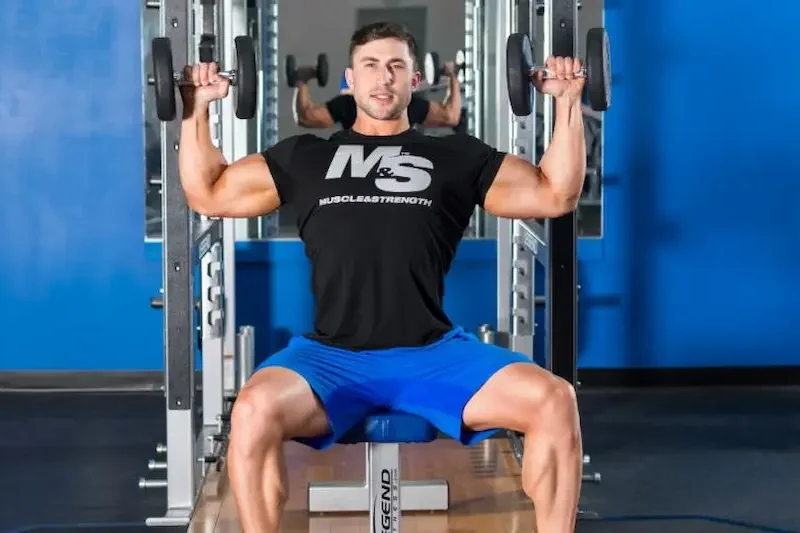
A beginner-friendly full body workout routine is designed to work all major muscle groups safely and effectively. It helps build strength, increase endurance, improve flexibility, and establish a strong foundation for more advanced workouts. The key for beginners is to start slowly, focus on proper form, and gradually increase intensity
Lower Body Exercises
1. Squats
- Muscles worked: Quadriceps, hamstrings, glutes, and core
- How to do it: Stand with feet shoulder-width apart, keep your chest up and back straight. Bend your knees and lower your hips as if sitting in a chair. Pause, then slowly return to standing
- Reps: 12–15
- Tips: Keep knees aligned with toes, avoid leaning forward
2. Lunges
- Muscles worked: Legs, glutes, and balance muscles
- How to do it: Step one foot forward, lower your hips until both knees are at 90-degree angles. Push back to starting position and switch legs
- Reps: 8–10 per leg
- Tips: Keep your core engaged, maintain an upright posture
3. Glute Bridges
- Muscles worked: Glutes, lower back, and core
- How to do it: Lie on your back with knees bent and feet flat. Lift your hips toward the ceiling while squeezing your glutes, then slowly lower
- Reps: 12–15
- Tips: Avoid arching your lower back; engage your core throughout
4. Calf Raises (Optional for Beginners)
- Muscles worked: Calves
- How to do it: Stand on your toes, lift heels off the floor, pause, then slowly lower back down
- Reps: 12–15
- Tips: Perform slowly for better balance and control
Upper Body Exercises
1. Push-Ups
- Muscles worked: Chest, shoulders, triceps, and core
- How to do it: Begin in a plank position with hands under shoulders. Lower your body until your chest nearly touches the floor, then push back up. Beginners can modify by using knees or a wall
- Reps: 8–12
- Tips: Keep your body straight from head to heels, avoid sagging hips
2. Bent-Over Rows
- Muscles worked: Back, shoulders, and arms
- How to do it: Hold light weights or water bottles, bend slightly forward at the waist, and pull weights toward your chest. Slowly lower down
- Reps: 10–12
- Tips: Keep back straight, core tight, and avoid swinging the weights
3. Shoulder Press
- Muscles worked: Shoulders and arms
- How to do it: Hold weights at shoulder height and press upward until arms are fully extended. Slowly lower back down
- Reps: 10–12
- Tips: Avoid locking elbows at the top and keep your core engaged
4. Arm Curls (Optional)
- Muscles worked: Biceps
- How to do it: Hold light weights with palms facing up. Curl weights toward shoulders, pause, and lower slowly
- Reps: 10–12
Core Exercises
1. Plank
- Muscles worked: Core, back, and shoulders
- How to do it: Hold a push-up position with elbows under shoulders and body in a straight line from head to heels
- Duration: 20–30 seconds for beginners
- Tips: Keep hips level, avoid sagging or lifting your hips too high
2. Crunches
- Muscles worked: Abdominal muscles
- How to do it: Lie on your back with knees bent, hands behind your head. Lift your upper body toward your knees and slowly lower
- Reps: 12–15
- Tips: Avoid pulling on your neck; engage your core throughout
3. Leg Raises
- Muscles worked: Lower abs
- How to do it: Lie on your back with legs straight. Lift both legs toward the ceiling while keeping your lower back pressed to the floor, then slowly lower down
- Reps: 10–12
- Tips: Move slowly and avoid using momentum for better control
4. Bicycle Crunches (Optional for Beginners)
- Muscles worked: Obliques and core
- How to do it: Lie on your back, hands behind your head, and bring opposite elbow to knee while twisting torso. Alternate sides
- Reps: 10–12 per side
Circuit Structure
Perform 1 set of each exercise in the order listed
Rest 30–60 seconds between exercises
Repeat the entire circuit 2–3 times depending on fitness level
Beginners can start with 1–2 circuits and gradually increase as strength improves
Tips for Beginners
Focus on quality over quantity; proper form is more important than the number of repetitions
Breathe steadily during exercises; exhale on effort, inhale on relaxation
Adjust intensity by using lighter weights or performing modified movements
Include a 5–10 minute warm-up before the routine and stretching after to prevent injuries
Keep track of your progress in a notebook or app to stay motivated
How long should a full body workout be?
A beginner full body workout typically lasts 30–45 minutes, including warm-up and cool-down. You can start with shorter sessions and gradually increase as your stamina improves
How many days per week should I do full body workouts?
Beginners should aim for 2–3 days per week with rest or light activity days in between. This allows muscles to recover while still maintaining consistency
Can a full body workout help with weight loss?
Yes, because it engages multiple muscle groups at once, increasing calorie burn. Combined with a healthy diet, it is very effective for fat loss
Conclusion
A full body workout routine is an effective and time-efficient way to improve overall strength, endurance, and fitness. It targets all major muscle groups in a single session, making it ideal for beginners and those with busy schedules. By starting slowly, focusing on proper form, and staying consistent, you can safely build strength, burn calories, and improve flexibility. Remember to include a proper warm-up, rest between sessions, and gradually increase intensity as your body adapts. With patience, consistency, and dedication, a full body workout routine can help you achieve a stronger, healthier, and more balanced body.