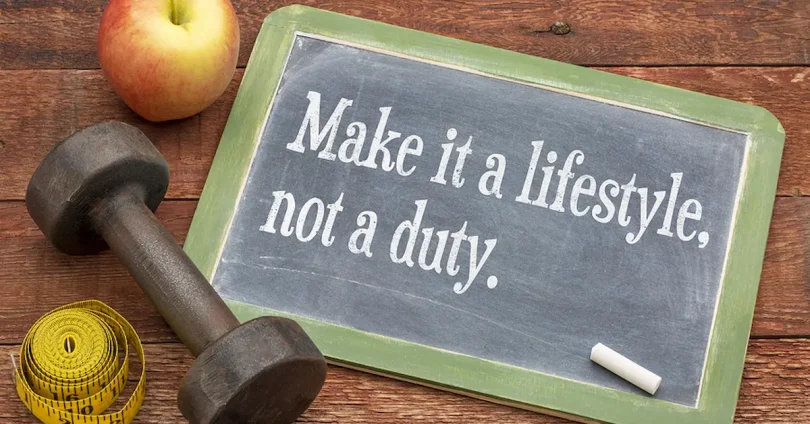

Making small lifestyle changes can have a big impact on your overall health and wellbeing. You don’t need to completely overhaul your routine overnight—gradual, consistent adjustments can improve energy, mood, immunity, and focus. Simple changes like eating a balanced diet, staying active, getting enough sleep, managing stress, and staying hydrated can transform your life over time. In this guide, we’ll share practical and easy-to-follow lifestyle changes for health that you can start implementing today to feel healthier, happier, and more energized.
Eat a Balanced Diet
Why a Balanced Diet Matters
Your diet directly affects your physical and mental health. Eating nutritious, balanced meals fuels your body with the energy it needs to function optimally, strengthens immunity, supports healthy weight management, and improves mood and focus. Poor eating habits, on the other hand, can lead to fatigue, weight gain, digestive issues, and an increased risk of chronic diseases like diabetes and heart problems. Making small, sustainable changes to your diet can create lasting improvements in your overall wellbeing.
Healthy Foods to Include
- Fruits and Vegetables: Rich in vitamins, minerals, antioxidants, and fiber. Aim for a rainbow of colors to get a variety of nutrients. Examples: berries, leafy greens, bell peppers, carrots, oranges.
- Lean Proteins: Essential for muscle repair and satiety. Examples: chicken, fish, eggs, tofu, beans, lentils, Greek yogurt.
- Whole Grains: Provide long-lasting energy and help regulate blood sugar. Examples: brown rice, quinoa, oats, barley, whole-grain bread.
- Healthy Fats: Support brain function, heart health, and hormone balance. Examples: avocado, olive oil, nuts, seeds, fatty fish like salmon.
- Hydration: Water and herbal teas are essential for digestion, circulation, and overall energy. Avoid sugary drinks that add empty calories.
Practical Tips for a Healthy Diet
- Meal Planning: Preparing meals in advance helps you make healthier choices and avoid fast food or processed snacks.
- Smart Swaps: Replace white bread with whole grain, sugary drinks with water, and chips with nuts or fruits.
- Portion Control: Pay attention to serving sizes to maintain a healthy weight and avoid overeating.
- Cook at Home More Often: Homemade meals allow you to control ingredients, reduce salt, sugar, and unhealthy fats.
- Variety is Key: Rotate different foods to ensure you get a wide range of nutrients and prevent meal boredom.
- Mindful Eating: Eat slowly, focus on your food, and listen to your body’s hunger cues to avoid overeating.
Small Daily Changes That Make a Big Impact
- Include at least one serving of vegetables in every meal.
- Eat a fruit or a handful of nuts as a snack instead of processed options.
- Drink a glass of water before each meal.
- Experiment with healthy recipes to make meals enjoyable and nutrient-rich.
- Limit processed foods, fast food, and sugary snacks gradually instead of cutting them out completely.
Bonus Tips for Busy Lifestyles
- Keep healthy snacks at your desk or in your bag to avoid grabbing junk food.
- Use frozen vegetables and fruits—they’re nutritious, convenient, and reduce prep time.
- Batch-cook meals on weekends for quick, healthy options during the week.
- Make salads or smoothies a daily habit—they’re easy ways to pack in nutrients.
- Try “Meatless Mondays” or reduce red meat intake to improve heart health.
Eating a balanced diet doesn’t have to be complicated or expensive. By making small, sustainable changes, choosing whole foods, and including a variety of nutrients, you can significantly improve your energy, mood, and overall health. Over time, these changes become natural habits that support a healthier lifestyle and complement other positive health habits.
Stay Physically Active
Why Physical Activity Matters
Staying active is one of the most important lifestyle changes for health. Regular movement strengthens your heart and muscles, improves flexibility and balance, boosts metabolism, and helps maintain a healthy weight. Physical activity also releases endorphins, which improve mood, reduce stress, and increase mental clarity. Even light or moderate movement, when done consistently, can dramatically improve overall wellbeing.
Easy Ways to Stay Active Every Day
- Walking: Take short walks during breaks, walk your dog, or choose stairs instead of elevators.
- Stretching or Yoga: Improves flexibility, reduces tension, and supports posture.
- Home Workouts: Squats, lunges, push-ups, planks, and light resistance exercises require no equipment.
- Fun Activities: Dance, cycling, swimming, or sports make exercise enjoyable and sustainable.
- Household Movement: Gardening, vacuuming, or carrying groceries counts as physical activity.
Tips for Making Exercise a Daily Habit
- Start Small: Begin with 10–15 minutes daily and gradually increase duration or intensity. Lifestyle Changes for Health
- Mix It Up: Include cardio, strength, and flexibility exercises for a balanced routine. Lifestyle Changes for Health
- Schedule It: Treat exercise like an appointment to ensure consistency. Lifestyle Changes for Health
- Combine Tasks: Walk while talking on the phone or stretch while watching TV. Lifestyle Changes for Health
- Track Progress: Use apps, pedometers, or journals to monitor steps, workouts, and achievements. Lifestyle Changes for Health
How Physical Activity Supports Other Healthy Habits
Regular movement enhances energy and focus, making it easier to stick to healthy eating, stay hydrated, and manage stress. It also improves sleep quality, which further supports overall health. Even small amounts of daily activity accumulate over time, creating lasting benefits for both physical and mental wellbeing. Lifestyle Changes for Health
Bonus Tips for Busy Lifestyles
- Break exercise into shorter sessions throughout the day—three 10-minute walks are as effective as one 30-minute session.
- Walk or cycle for short errands instead of driving. Lifestyle Changes for Health
- Pair activity with social time: walk with a friend or family member. Lifestyle Changes for Health
- Make exercise enjoyable: listen to music, podcasts, or audiobooks while moving. Lifestyle Changes for Health
- Gradually challenge yourself by increasing steps, distance, or intensity to stay motivated. Lifestyle Changes for Health
Staying physically active doesn’t have to be complicated or time-consuming. By incorporating movement into your daily routine, you strengthen your body, boost your mood, and create a foundation for other healthy lifestyle changes. Small, consistent actions are the key to long-term health and vitality. Lifestyle Changes for Health
you may also like to read these posts;
Workout Equipment Reviews: Best Gear for Home & Gym
Home Fitness Gear Reviews: Best Tools for Your Workouts
Best Fitness Products: Top Gear for Your Home Workouts
Gym Equipment Reviews: Top Picks for Home Workouts
Fitness Tool Reviews: Top Gear for Home and Gym Workouts
Prioritize Sleep

Why Sleep Matters
Sleep is a cornerstone of good health. During sleep, your body repairs tissues, strengthens immunity, and restores energy. It also consolidates memory and helps regulate hormones that control appetite and stress. Poor sleep can lead to fatigue, irritability, reduced focus, weight gain, and a higher risk of chronic conditions such as heart disease, diabetes, and high blood pressure. Adults generally need 7–9 hours of sleep per night, while teenagers and children need more. Quality sleep improves not only your physical health but also your mental clarity, emotional balance, and overall wellbeing. Lifestyle Changes for Health
Tips for Better Sleep
- Keep a Consistent Sleep Schedule: Go to bed and wake up at the same time daily, even on weekends, to regulate your body’s internal clock.
- Create a Calming Bedtime Routine: Reading, meditation, gentle stretches, or a warm shower signals to your body that it’s time to wind down.
- Limit Screen Time: Blue light from phones, tablets, and TVs interferes with melatonin production. Avoid screens at least 30–60 minutes before bed.
- Optimize Your Sleep Environment: Keep your bedroom cool, dark, and quiet. Use blackout curtains, an eye mask, or white noise if necessary.
- Be Mindful of Food and Drinks: Avoid caffeine and heavy meals close to bedtime. Alcohol may make you sleepy initially but disrupts deep sleep cycles.
- Practice Relaxation Techniques: Deep breathing, progressive muscle relaxation, or guided meditation can calm the mind before bed.
Small Daily Changes for Better Sleep
- Take short, relaxing breaks during the day to reduce stress and tension.
- Incorporate gentle evening stretches or yoga to release built-up muscle tension.
- Keep a journal to jot down worries or tasks to prevent overthinking at night.
- Avoid long naps late in the day, which can interfere with nighttime sleep.
- Gradually shift bedtime earlier if you tend to stay up late, adjusting in 15–20 minute increments.
How Sleep Supports Other Healthy Habits
Good sleep enhances energy, focus, and mood, making it easier to maintain healthy eating, regular physical activity, and stress management habits. When you are well-rested, your body functions efficiently: your immune system is stronger, cravings for unhealthy foods decrease, and your mental resilience improves. Quality sleep creates a foundation for other lifestyle changes to succeed.
Bonus Tips for Busy People
- Use Sleep-Friendly Accessories: Eye masks, blackout curtains, or white noise machines can improve sleep quality.
- Limit Evening Stimulants: Avoid excessive caffeine, energy drinks, or late-night sugar intake.
- Set a “Digital Curfew”: Turn off notifications or put devices on silent before bedtime.
- Combine Sleep with Mindfulness: Journaling or practicing gratitude before bed can help calm racing thoughts.
- Create a Relaxing Sleep Ritual: Dim lights, sip herbal tea, or listen to soft music to cue your body for rest.
Prioritizing sleep is one of the simplest yet most impactful lifestyle changes for health. By establishing healthy sleep routines, you allow your body to repair, recharge, and function at its best. Over time, good sleep improves mood, energy, focus, and overall quality of life, making it easier to sustain other healthy habits like nutritious eating, regular exercise, and stress management.
What are lifestyle changes for health?
Lifestyle changes for health are simple, consistent actions you can take daily to improve your physical and mental wellbeing, such as eating better, staying active, sleeping well, and managing stress.
Can small lifestyle changes really make a difference?
Yes! Even small, consistent changes—like drinking more water, walking daily, or adding vegetables to meals—can significantly improve your energy, mood, and overall health over time.
How long does it take to see results from lifestyle changes?
Some benefits, like improved energy, better focus, and mood, can appear in a few weeks. Long-term improvements, like weight management, stronger immunity, and reduced disease risk, usually take a few months of consistency.
Conclusion
Making lifestyle changes for health doesn’t have to be complicated or overwhelming. Small, consistent actions—like eating a balanced diet, staying physically active, prioritizing sleep, managing stress, staying hydrated, and avoiding harmful habits—can dramatically improve your energy, mood, and overall wellbeing. Start with one or two changes that feel manageable, and gradually build habits that fit naturally into your daily life. Remember, consistency matters more than perfection. By committing to these simple yet powerful changes, you can create a healthier, happier, and more balanced life that lasts for years to come.