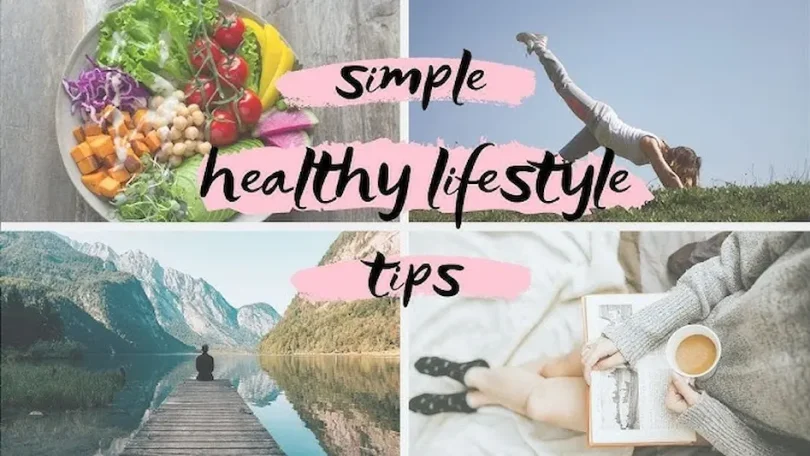

Living a simple healthy lifestyle doesn’t have to be complicated or overwhelming. It’s about making small, consistent choices that support your body and mind, boost your energy, and improve your overall wellbeing. You don’t need expensive gym memberships, strict diets, or hours of exercise every day to feel healthier. By focusing on easy habits like eating balanced meals, staying active, getting enough sleep, managing stress, and drinking plenty of water, anyone can create a sustainable, simple, and effective healthy lifestyle. This guide will share practical tips that are easy to follow and fit naturally into your everyday life.
Eat Simple, Balanced Meals
Why Balanced Meals Matter
Eating well is the foundation of a simple healthy lifestyle. You don’t need complicated recipes or expensive superfoods—focus on including a variety of natural, nutritious foods in your daily meals. Aim to fill your plate with fruits, vegetables, whole grains, and lean proteins. These foods provide essential vitamins, minerals, and energy to keep your body strong and your mind sharp.
Keep Meals Simple
Keeping meals simple makes it easier to maintain healthy habits. For example:
- Breakfast: oatmeal with fruits
- Lunch: grilled chicken with vegetables
- Snack: nuts and yogurt
Avoid overly processed foods, sugary snacks, and fried items whenever possible, as these can cause energy crashes and affect overall health. Drinking plenty of water throughout the day also supports digestion, hydration, and overall wellbeing.
Tips for Simple Healthy Eating
- Plan Easy, Colorful Meals: Include a variety of nutrients in every meal.
- Swap Sugary Drinks: Replace soda or sweetened beverages with water or herbal teas.
- Prepare Simple Snacks: Cut fruits, nuts, or yogurt make quick, healthy options.
- Balance Without Overcomplicating: Focus on simple portion control and variety.
Eating simple, balanced meals doesn’t just improve your physical health—it also boosts energy, mood, and focus, making it easier to enjoy the rest of your healthy lifestyle habits.
Move Your Body Daily
Why Daily Movement Matters
Staying active is a key part of a simple healthy lifestyle. Regular physical activity strengthens your muscles and bones, improves heart and lung health, boosts metabolism, and increases energy levels. It also releases endorphins, which help reduce stress, anxiety, and depression. You don’t need to spend hours at the gym—what matters most is consistency and finding activities that fit naturally into your day.
Easy Ways to Stay Active
Incorporating movement into your daily routine can be simple and practical:
- Walk Whenever Possible: Take short walks during breaks, walk your dog, or park farther from stores.
- Use Stairs: Skip elevators and escalators when possible to add extra movement.
- Stretch or Try Yoga: Gentle stretching or yoga improves flexibility, posture, and relaxation.
- Do Household Activities: Cleaning, gardening, or washing the car counts as physical activity.
- Fun Activities: Dance, swim, cycle, or play a sport you enjoy—fun makes it easier to stick with.
Tips for Making Exercise Simple
- Start Small: Begin with 10–15 minutes of activity and gradually increase the duration and intensity.
- Consistency Over Intensity: Moving a little every day is more effective than occasional intense workouts.
- Mix It Up: Include different types of movement—cardio, strength, flexibility—to keep your body balanced and prevent boredom.
- Combine Tasks: Walk while talking on the phone, do squats while cooking, or stretch while watching TV.
- Track Your Activity: Using a step counter or fitness app can motivate you and make daily activity feel rewarding.
How Daily Movement Supports a Healthy Lifestyle
Regular movement doesn’t just help your body—it improves your mind too. Exercise can increase focus, reduce stress, and improve sleep quality. It also makes it easier to maintain a healthy weight and prevents chronic diseases like heart disease, diabetes, and high blood pressure. By integrating simple activities into your day, staying active becomes a natural part of your lifestyle instead of a chore.
Bonus Tips for Busy People
- Break exercise into short sessions: 5–10 minutes of movement multiple times a day adds up.
- Use active commuting: walk or cycle part of your way to work.
- Do bodyweight exercises at home: push-ups, squats, lunges, or planks require no equipment.
- Pair social time with activity: walk with a friend instead of just sitting together.
Daily movement doesn’t have to be complicated or time-consuming. By finding small, enjoyable ways to stay active every day, you can improve your physical health, energy levels, mood, and overall wellbeing, making it much easier to maintain a simple, healthy lifestyle.
Prioritize Sleep
Why Sleep Matters
Getting enough quality sleep is a crucial part of a simple healthy lifestyle. Sleep allows your body to repair itself, strengthens your immune system, improves brain function, and helps regulate hormones that control hunger and stress. Without sufficient sleep, you may feel tired, irritable, less focused, and more prone to illnesses or weight gain. Adults typically need 7–9 hours of sleep each night, while teenagers and children require more.
Tips for Better Sleep
- Keep a Consistent Schedule: Go to bed and wake up at the same time every day, even on weekends. This helps regulate your body’s internal clock and makes falling asleep easier.
- Create a Relaxing Bedtime Routine: Take a warm shower, read a book, or practice gentle stretches or meditation before bed. Avoid stressful activities or work right before sleeping.
- Limit Screen Time: Phones, tablets, and TVs emit blue light that suppresses melatonin, the sleep hormone. Try to turn off screens at least 30–60 minutes before bedtime.
- Optimize Your Sleep Environment: Keep your bedroom dark, cool, and quiet. Use blackout curtains, a sleep mask, or white noise if needed.
- Watch What You Eat and Drink: Avoid caffeine or energy drinks in the afternoon and skip heavy or spicy meals close to bedtime. A light snack like yogurt or a banana can help if you’re hungry.
- Exercise During the Day: Moderate physical activity improves sleep quality, but avoid vigorous workouts right before bedtime as they can make you more alert.
Additional Tips for Restful Sleep
- Try relaxation techniques like deep breathing, progressive muscle relaxation, or mindfulness meditation.
- Keep your bedroom for sleep only—avoid using it for work or watching TV.
- Limit long daytime naps, especially late in the afternoon, as they can interfere with nighttime sleep.
- If sleep problems persist, consult a doctor to check for conditions like insomnia or sleep apnea.
How Prioritizing Sleep Supports a Healthy Lifestyle
Quality sleep enhances energy, focus, mood, and overall wellbeing, making it easier to stick to healthy habits like eating well, exercising, and managing stress. It’s a simple but powerful habit that supports every aspect of a healthy lifestyle.
you may also like to read these posts;
Workout Equipment Reviews: Best Gear for Home & Gym
Home Fitness Gear Reviews: Best Tools for Your Workouts
Best Fitness Products: Top Gear for Your Home Workouts
Gym Equipment Reviews: Top Picks for Home Workouts
Fitness Tool Reviews: Top Gear for Home and Gym Workouts
Manage Stress Easily

Why Managing Stress Matters
Stress is a normal part of life, but when it becomes chronic, it can affect every aspect of your health. Long-term stress can disrupt sleep, increase blood pressure, weaken immunity, affect digestion, and even lead to weight gain. Mentally, it can cause anxiety, irritability, and difficulty focusing. Learning simple ways to manage stress is essential to maintain a balanced, healthy lifestyle and overall wellbeing.
Simple Stress Management Techniques
- Practice Deep Breathing: Try the 4-7-8 method—inhale for 4 seconds, hold for 7 seconds, exhale for 8 seconds. Doing this 3–5 times can instantly calm your nervous system. Simple Healthy Lifestyle
- Meditation and Mindfulness: Spend 5–10 minutes each day meditating, focusing on your breath, or practicing mindfulness. Apps like Headspace or Calm can guide beginners. Simple Healthy Lifestyle
- Engage in Hobbies: Reading, painting, knitting, or gardening allows your mind to focus on something enjoyable and reduces stress naturally. Simple Healthy Lifestyle
- Physical Activity: Exercise releases endorphins, improves mood, and reduces tension. Even short walks, stretching, or light yoga can help. Simple Healthy Lifestyle
- Social Support: Talking to friends, family, or support groups helps release tension and gives perspective on stressful situations. Simple Healthy Lifestyle
Additional Practical Tips for Reducing Stress
- Plan and Prioritize: Break tasks into smaller steps, make to-do lists, and focus on what’s most important. Avoid multitasking to reduce overwhelm. Simple Healthy Lifestyle
- Take Regular Breaks: Step away from work, screens, or stressful environments for a few minutes to clear your mind.
- Practice Gratitude: Keep a journal to note things you’re grateful for. Reflecting on positives helps shift your mindset.
- Limit Stress Triggers: Reduce exposure to negative news, social media, or toxic conversations whenever possible.
- Use Relaxation Techniques: Try progressive muscle relaxation, aromatherapy with calming scents like lavender, or a warm bath to relax your body and mind. Simple Healthy Lifestyle
- Laugh and Have Fun: Watch a funny video, spend time with loved ones, or engage in playful activities to release stress naturally. Simple Healthy Lifestyle
Long-Term Stress Management Strategies
- Mindful Daily Routine: Incorporate stress-relief activities like meditation, light exercise, or journaling into your daily schedule. Simple Healthy Lifestyle
- Healthy Lifestyle Choices: Eating balanced meals, staying hydrated, and prioritizing sleep all reduce stress levels naturally.
- Seek Professional Help When Needed: If stress feels overwhelming or persistent, a counselor, therapist, or coach can provide guidance and coping strategies. Simple Healthy Lifestyle
How Stress Management Supports a Healthy Lifestyle
Effective stress management not only improves emotional wellbeing but also supports physical health. When stress is under control, it’s easier to maintain healthy eating, regular exercise, quality sleep, and overall balance. Managing stress makes everyday life simpler, more enjoyable, and sustainable. Simple Healthy Lifestyle
What does a simple healthy lifestyle mean?
A simple healthy lifestyle focuses on easy, consistent habits that support your body and mind, such as eating balanced meals, moving daily, getting enough sleep, and managing stress. It avoids complicated routines or extreme rules.
Can I start small and still see benefits?
Yes! Even small changes, like drinking more water, walking for 10–15 minutes a day, or adding more vegetables to your meals, can improve energy, mood, and overall health over time.
Do I need a gym membership to stay healthy?
No. You can stay active with simple exercises at home, walking, stretching, yoga, or other enjoyable activities. Consistency is more important than fancy equipment.
Conclusion
A simple healthy lifestyle is all about making easy, consistent choices that support your body and mind. By eating balanced meals, staying active, getting enough sleep, managing stress, staying hydrated, and avoiding complicated or harmful habits, you can improve your energy, mood, and overall wellbeing. Start with small steps, focus on one or two habits at a time, and gradually build routines that fit naturally into your daily life. Remember, healthy living doesn’t have to be complicated—small, simple actions every day lead to lasting results and a happier, healthier you.