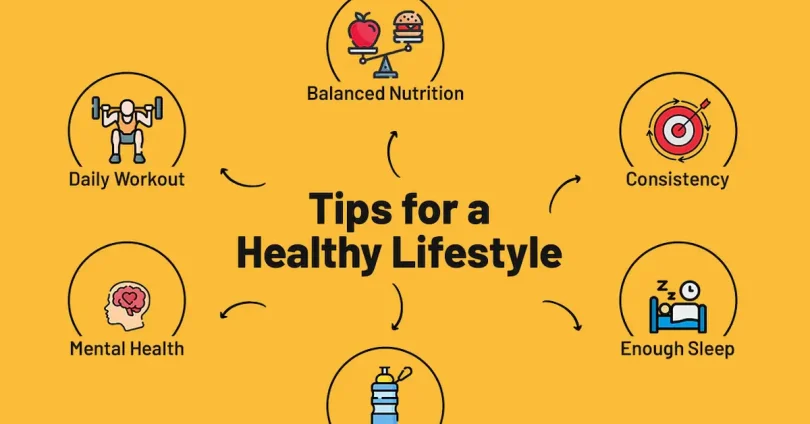

Living a healthy lifestyle is about more than just eating well or exercising—it’s about making consistent choices that support your physical, mental, and emotional well-being. Small daily habits, when practiced regularly, can boost your energy, improve your mood, strengthen your immune system, and enhance overall quality of life. Adopting a healthy lifestyle doesn’t mean strict diets or intense workouts; it’s about creating balanced routines that are practical and sustainable. Whether you’re just starting your journey or looking to improve your current habits, following simple, actionable tips can help you feel healthier, happier, and more energized every day. healthy lifestyle tips
Eat a Balanced Diet Healthy Lifestyle Tips
Why a Balanced Diet Matters
A balanced diet is the cornerstone of a healthy lifestyle. It supplies your body with the essential nutrients, vitamins, and minerals needed for energy, brain function, and overall well-being. Eating well can help maintain a healthy weight, support your immune system, improve digestion, boost mental clarity, and reduce the risk of chronic diseases like heart disease, diabetes, and obesity. A nutritious diet doesn’t mean strict rules or boring meals—it’s about making smart, consistent food choices that are enjoyable and sustainable.
Key Components of a Balanced Diet
- Fruits and Vegetables
- These are packed with vitamins, minerals, and fiber, which aid digestion and support immunity.
- Aim for at least five servings per day, and try to include a variety of colors: leafy greens, carrots, bell peppers, berries, apples, and oranges.
- Lean Proteins
- Protein helps build and repair tissues, keeps you full, and stabilizes blood sugar.
- Sources: eggs, chicken, fish, lean beef, beans, lentils, tofu, yogurt, and nuts.
- Include protein in every meal to prevent energy crashes and reduce cravings.
- Whole Grains
- Whole grains like brown rice, oats, quinoa, barley, and whole-grain bread provide sustained energy and fiber for healthy digestion.
- Replace refined carbs such as white rice, white bread, and sugary cereals with whole-grain alternatives.
- Healthy Fats
- Healthy fats support heart and brain health and keep you satisfied.
- Sources: avocado, olive oil, nuts, seeds, and fatty fish like salmon.
- Hydration
- Water is essential for digestion, metabolism, and energy.
- Drink at least 8 glasses of water daily, and consider herbal teas or fruit-infused water as alternatives.
Tips for Eating a Balanced Diet
- Plan Your Meals Ahead: Prepare meals for the week to ensure variety and nutritional balance.
- Use the Plate Method: Fill half your plate with vegetables/fruits, a quarter with protein, and a quarter with whole grains.
- Limit Processed Foods: Reduce sugary drinks, fried snacks, and packaged foods.
- Mix It Up: Rotate different fruits, vegetables, proteins, and grains for variety and complete nutrition.
- Mindful Eating: Pay attention to your hunger cues and eat slowly to avoid overeating.
Easy and Practical Meal Examples
Breakfast Ideas:
- Oatmeal topped with berries, chia seeds, and nuts.
- Scrambled eggs with spinach, tomatoes, and whole-grain toast.
- Smoothie with banana, yogurt, spinach, and a spoon of nut butter.
Lunch Ideas:
- Grilled chicken or tofu salad with quinoa and colorful vegetables.
- Lentil soup with a side of whole-grain bread.
- Brown rice bowl with beans, roasted vegetables, and avocado.
Dinner Ideas:
- Baked salmon with roasted carrots, broccoli, and brown rice.
- Stir-fried tofu with bell peppers, zucchini, and whole-grain noodles.
- Vegetable curry with lentils served with whole-grain roti.
Snack Ideas:
- Fresh fruit like an apple or orange.
- Greek yogurt with a handful of nuts.
- Carrot, cucumber, and bell pepper sticks with hummus.
Benefits of Eating a Balanced Diet
- Energy Boost: Provides sustained energy throughout the day.
- Weight Management: Keeps you full and prevents unhealthy snacking.
- Improved Digestion: Fiber-rich foods support gut health.
- Stronger Immunity: Vitamins and minerals help your body fight illnesses.
- Better Mental Health: Nutrient-dense foods improve focus, mood, and cognitive function.
Eating a balanced diet doesn’t have to be complicated. By including a variety of whole foods, planning your meals, and making small, consistent changes, you can nourish your body, maintain energy, and enjoy a healthier lifestyle every day.
you may also like to read these posts;
Workout Equipment Reviews: Best Gear for Home & Gym
Home Fitness Gear Reviews: Best Tools for Your Workouts
Best Fitness Products: Top Gear for Your Home Workouts
Gym Equipment Reviews: Top Picks for Home Workouts
Fitness Tool Reviews: Top Gear for Home and Gym Workouts
Stay Physically Active

Why Physical Activity Matters
Regular physical activity is one of the most important habits for a healthy lifestyle. Exercise strengthens your heart, muscles, and bones, boosts your metabolism, improves circulation, and enhances flexibility. Beyond physical benefits, staying active supports mental health by reducing stress, improving mood, and increasing focus. People who exercise regularly tend to sleep better, have more energy throughout the day, and experience fewer chronic illnesses. Healthy Lifestyle Tips
How Much Exercise Do You Need
For most adults, experts recommend at least 150 minutes of moderate-intensity aerobic activity per week or 75 minutes of vigorous activity, plus 2 days of strength training. Moderate activity can include brisk walking, light jogging, or cycling, while vigorous activity may include running, swimming laps, or high-intensity interval training (HIIT). Healthy Lifestyle Tips
Types of Exercise for a Healthy Lifestyle
- Cardio (Aerobic) Exercise
- Boosts heart health, lung capacity, and endurance. Healthy Lifestyle Tips
- Examples: brisk walking, jogging, swimming, cycling, dancing, or group fitness classes.
- Strength Training
- Builds and maintains muscle mass, strengthens bones, and supports metabolism.
- Examples: bodyweight exercises (squats, push-ups, lunges), resistance bands, free weights, or gym machines.
- Flexibility and Balance Exercises
- Improves posture, reduces risk of injury, and increases mobility. Healthy Lifestyle Tips
- Examples: yoga, Pilates, stretching routines, and balance exercises like standing on one leg.
- Everyday Activity
- Small movements can add up: taking the stairs, walking during phone calls, or biking to work.
Easy Ways to Stay Active Every Day
- Take the stairs instead of the elevator whenever possible. Healthy Lifestyle Tips
- Walk or bike for short trips instead of driving. Healthy Lifestyle Tips
- Stretch during breaks if you work at a desk. Healthy Lifestyle Tips
- Short home workouts: Even 10–20 minutes of bodyweight exercises like planks, squats, or push-ups can be effective.
- Fun activities: Dancing, swimming, hiking, or playing sports can make exercise enjoyable.
- Combine social time and exercise: Walk or jog with friends or family. Healthy Lifestyle Tips
Tips for Busy People
- Schedule workouts like appointments to make them consistent. Healthy Lifestyle Tips
- Choose activities you genuinely enjoy to stay motivated. Healthy Lifestyle Tips
- Break workouts into shorter sessions throughout the day if needed. Healthy Lifestyle Tips
- Use online workout videos or apps for guided exercises at home. Healthy Lifestyle Tips
- Track your activity to monitor progress and stay motivated. Healthy Lifestyle Tips
Benefits of Staying Physically Active
- Boosts energy: Improves circulation and overall stamina. Healthy Lifestyle Tips
- Enhances mental health: Releases endorphins to reduce stress, anxiety, and depression.
- Supports weight management: Burns calories and maintains healthy body composition.
- Strengthens muscles and bones: Reduces the risk of osteoporosis and injuries. Healthy Lifestyle Tips
- Improves sleep: Helps regulate sleep patterns and improves sleep quality. Healthy Lifestyle Tips
- Increases longevity: Regular activity reduces the risk of chronic illnesses like heart disease, diabetes, and obesity.
- Enhances flexibility and mobility: Reduces stiffness, improves balance, and makes daily activities easier.
Practical Examples for All Levels
- Beginner: 15-minute brisk walk + light stretching. Healthy Lifestyle Tips
- Intermediate: 30-minute walk/jog combo + bodyweight strength exercises.
- Advanced: 45–60 minutes of mixed cardio, strength training, and flexibility exercises.
Even small daily movements—like walking after meals, taking the stairs, or doing short home workouts—add up over time and contribute to a healthier, more energetic lifestyle. The key is consistency, enjoyment, and gradually increasing activity levels.
Get Enough Sleep

Sleep is a cornerstone of a healthy lifestyle, yet many people underestimate its importance. A good night’s sleep does more than just reduce tiredness—it improves mental clarity, strengthens immunity, helps maintain a healthy weight, and supports emotional well-being. Healthy Lifestyle Tips
Why Sleep Matters
Restores Energy: During sleep, your body repairs muscles, tissues, and cells, helping you feel refreshed.
Supports Brain Function: Sleep improves memory, decision-making, creativity, and concentration.
Boosts Immunity: Adequate sleep helps your body produce infection-fighting cells and antibodies.
Balances Hormones: Sleep regulates hormones that control hunger and stress, helping prevent overeating and fatigue.
Improves Mood: Lack of sleep can lead to irritability, anxiety, and even depression.
How Much Sleep Do You Really Need?
Adults: 7–9 hours per night
Teenagers: 8–10 hours
Children: 9–12 hours
Older Adults: 7–8 hours
Tip: Quality matters as much as quantity. Deep, uninterrupted sleep is better than sleeping longer but tossing and turning.
Tips for Better Sleep
Stick to a Consistent Sleep Schedule: Go to bed and wake up at the same time every day, even on weekends. This helps regulate your body’s internal clock, making it easier to fall asleep naturally.
Create a Relaxing Bedtime Routine: Take a warm bath or shower, listen to calming music or a short meditation session, and avoid stressful activities, emails, or arguments before bed.
Limit Screen Time: Blue light from phones, tablets, or TVs suppresses melatonin, a hormone that helps you sleep. Try reading a book or journaling instead of scrolling your phone.
Make Your Bedroom Sleep-Friendly: Keep the room dark, cool, and quiet. Use blackout curtains or a sleep mask if needed. Consider earplugs or a white noise machine to block distractions.
Watch What You Eat and Drink: Avoid caffeine and energy drinks after mid-afternoon. Skip heavy, greasy, or spicy meals right before bedtime. A light snack like a banana or yogurt can actually help if you’re hungry.
Exercise Regularly—but Not Too Late: Moderate exercise improves sleep quality and helps you fall asleep faster. Avoid intense workouts right before bed, as they can increase alertness.
Manage Stress and Relax Your Mind: Practice meditation, deep breathing, or gentle yoga before bed. Journaling your thoughts or gratitude writing can calm a busy mind.
Additional Strategies
Natural Sleep Aids: Herbal teas like chamomile, valerian root, or lavender can promote relaxation.
Limit Naps: Short 20–30 minute naps can refresh you, but long naps late in the day may disrupt nighttime sleep.
Seek Professional Help if Needed: Persistent insomnia, loud snoring, or restless sleep may indicate sleep disorders that require a doctor’s attention.
How long does it take to see results from a healthy lifestyle?
Most people notice small improvements in energy, mood, and sleep within a few weeks. Long-term changes in weight, fitness, or overall health may take a few months of consistent habits.
Can I enjoy treats while following a healthy lifestyle?
Yes, moderation is key. You don’t have to completely give up your favorite foods. Occasional treats are fine as long as most of your diet is balanced and nutritious.
How can I stay motivated to live a healthy lifestyle?
Set realistic goals, track your progress, and celebrate small achievements. Surround yourself with supportive friends or family and remind yourself of the benefits, like more energy and better mood.
Conclusion
Living a healthy lifestyle is about making consistent, simple choices that support your body and mind. By eating a balanced diet, exercising regularly, getting enough sleep, managing stress, staying hydrated, avoiding harmful habits, and scheduling regular health checkups, you can improve your overall wellbeing and feel your best every day. Start small, focus on one or two changes at a time, and gradually build habits that become part of your daily routine. Remember, your health is your most valuable asset, and every positive choice you make brings you closer to a happier, healthier life.